The Evolution of Amplifiers: How Efficiency Shaped the Modern Professional Sound System The Evolution of Amplifiers: How Efficiency Shaped the Modern Professional Sound...
From the earliest live performances to today’s cutting-edge immersive experiences, amplifiers have powered every milestone in the evolution of the professional sound system. Their development tells a story not just of increasing fidelity and reliability—but of ever-greater efficiency. From fragile vacuum tubes to today’s intelligent, networked amplified controllers, they have been transformed to meet the demands of clarity, scale, and sustainability in modern audio.
The Genesis of Amplification
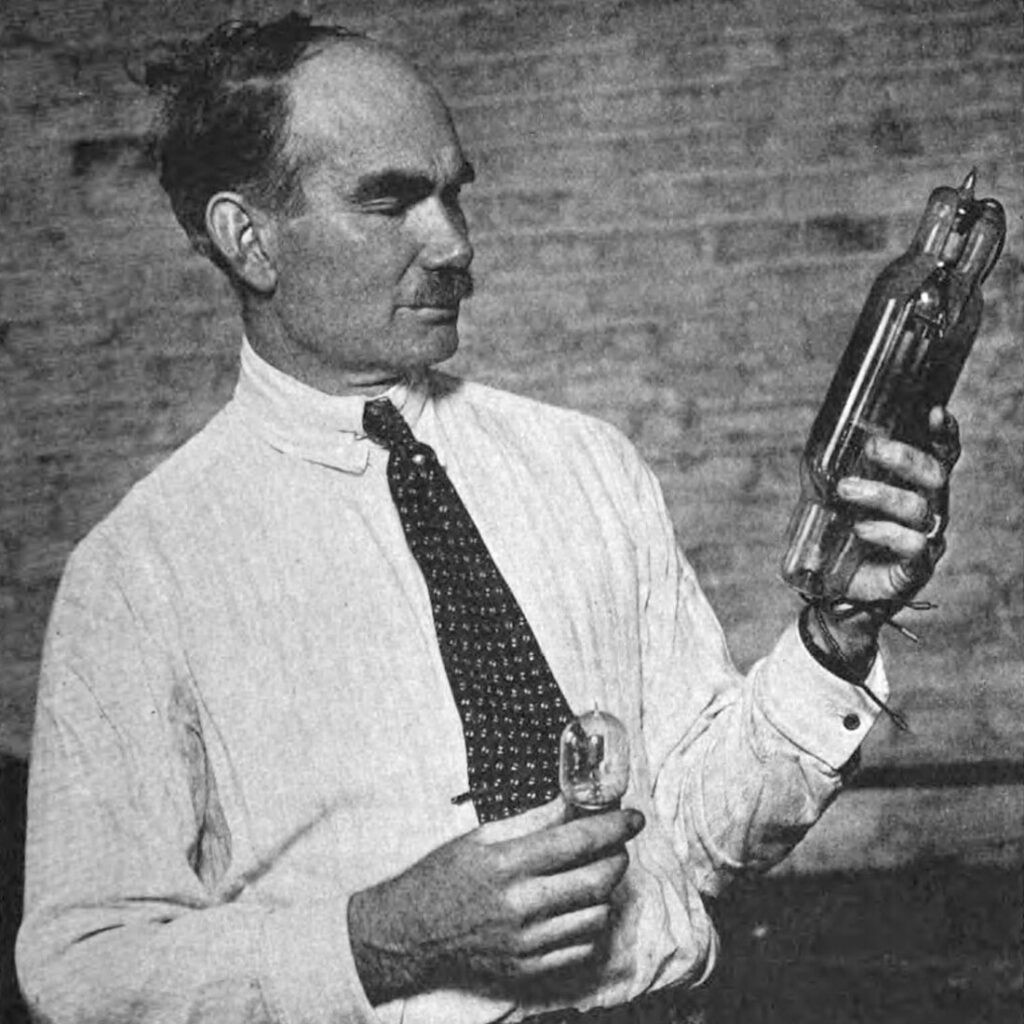
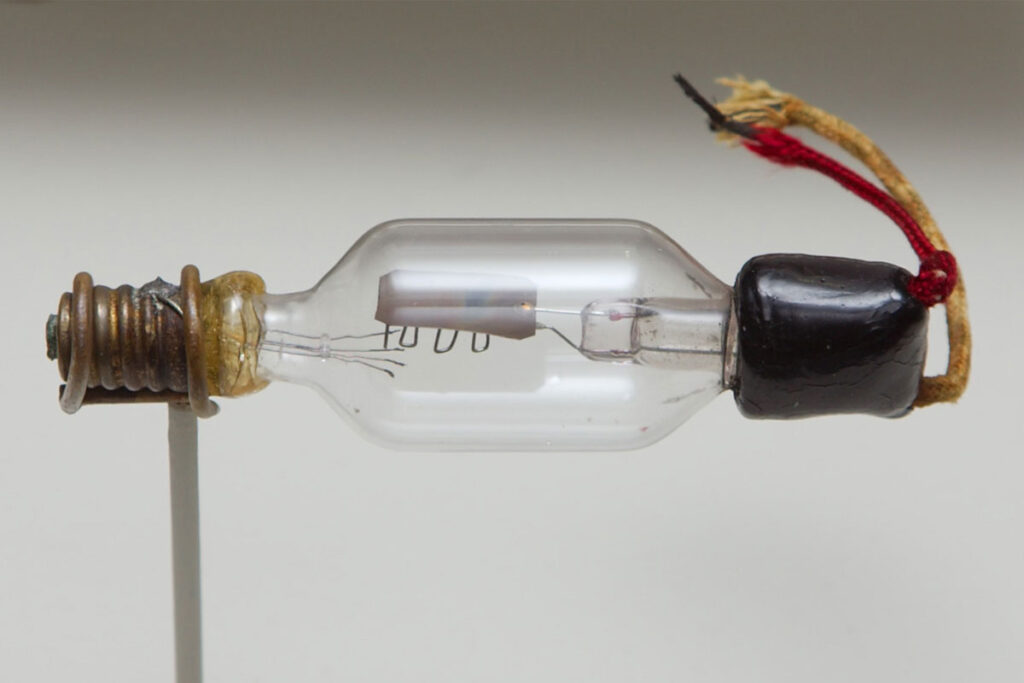
The story of the audio amplifier begins in 1907 with Lee de Forest’s invention of the triode vacuum tube. By 1912, it was enabling the first practical audio amplifiers—sufficient to project sound to large audiences for the first time. These early amplifiers formed the heart of professional sound systems used in radio, cinema, and live events throughout the first half of the 20th century.
However, vacuum tube amplifiers were heavy, delicate, and notoriously inefficient, losing much of their input power as heat. Though revered for their warm sound, their design limited performance and scalability.
The Solid-State Revolution and the Rise of Amplifier Classes
A major turning point came with the advent of the transistor in the 1950s. By the late 1960s, solid-state amplifiers had begun replacing tubes across the professional sound system landscape. These new designs, based on bipolar junction transistors (BJTs) and later MOSFETs, were not only more compact and rugged, but significantly more powerful compared to vaccum tube designs, and they also improved energy conversion, enhancing efficiency.
Alongside these advances came the development of amplifier classes—circuit design approaches that directly affect an amplifier’s efficiency and sound quality. Most early solid-state amplifiers were Class A or Class A/B:
- Class A designs offered excellent fidelity but remained inefficient, converting much of their power to heat even at idle.
- Class A/B emerged as a balance between efficiency and sound quality, quickly becoming the standard for touring and installed professional sound systems from the 1970s onward.
The next leap came with the introduction of Class D amplification in the 1980s. Class D amps (sometimes wrongly referred to as “digital” amplifiers, they are actually analog) use pulse-width modulation to achieve extremely high efficiency—often over 90%. Their lightweight design, minimal heat output, and high power density made them a perfect fit for mobile and large-scale professional sound applications.
L-Acoustics and the Integrated Amplification Ecosystem
As pioneers in the professional sound system industry, L-Acoustics has always recognized that high-performance loudspeakers require equally advanced amplification. Our systems, from the groundbreaking V-DOSC line array to today’s L-ISA immersive platforms, are built on a philosophy of total ecosystem integration.
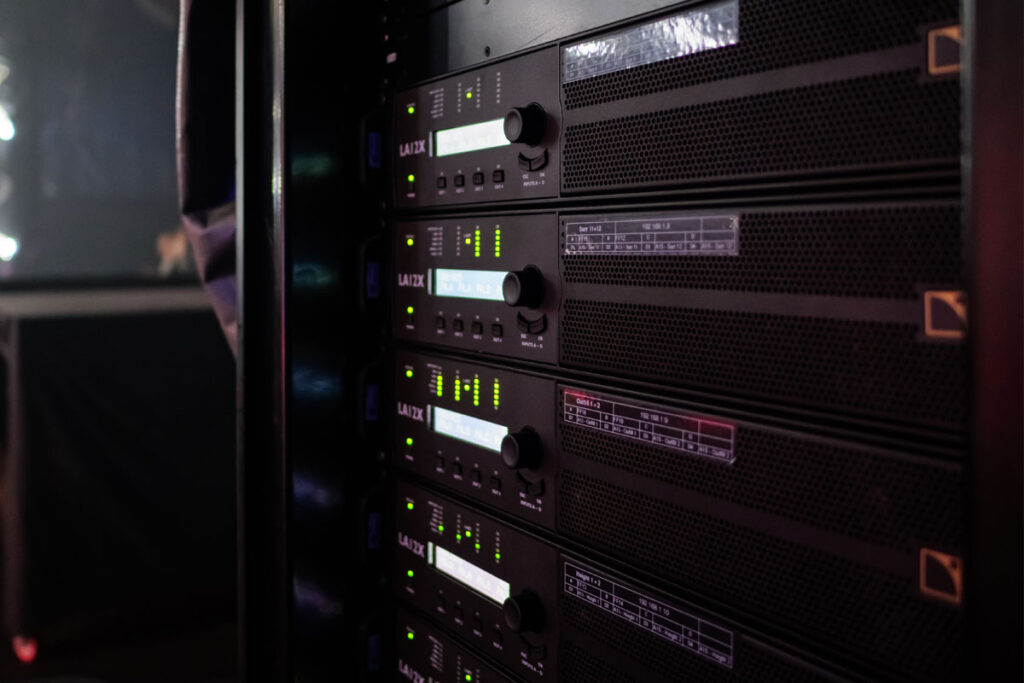
In 2007, we launched the LA4 and LA8 amplified controllers, fusing high-efficiency amplification with advanced DSP (digital signal processing). These units marked a shift toward smarter, software-controlled amplification, enabling research & development (R&D) engineers to optimize crossover points, dynamics, EQ, and system protection per loudspeaker model, all while reducing energy use.
This tight integration across the signal chain ensured not just performance and reliability, but also consistent efficiency, loudspeaker protection, and sound quality consistency, regardless of venue size or system complexity. These attributes were strong drivers toward our development of the amplified controller.
From Power to Precision: The LA7.16i and LA1.16i
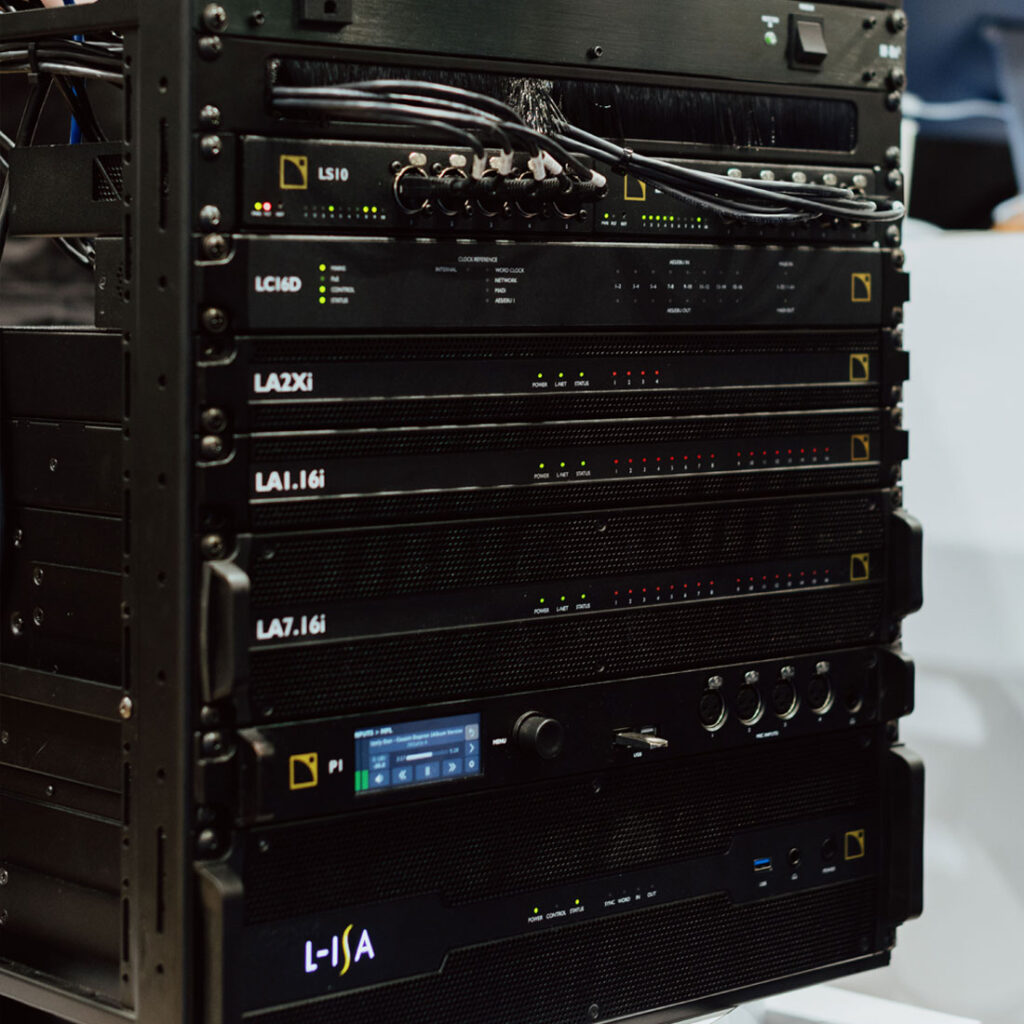
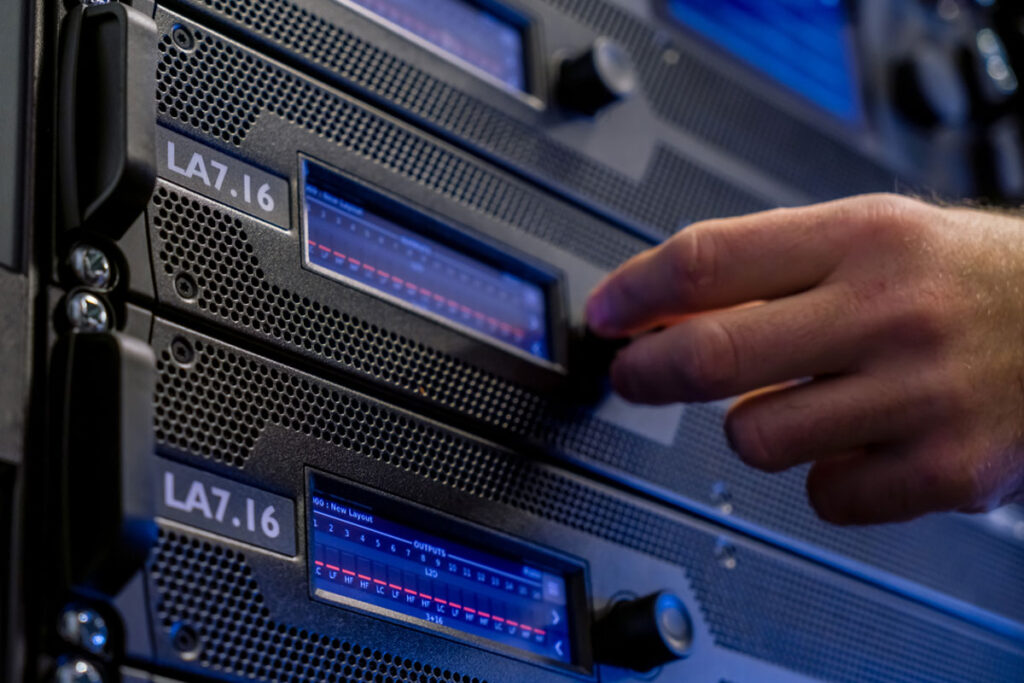
Our ongoing commitment to amplifier innovation is most evident in the LA7.16i and LA1.16i, two of the most advanced amplified controllers in the professional sound system market today.
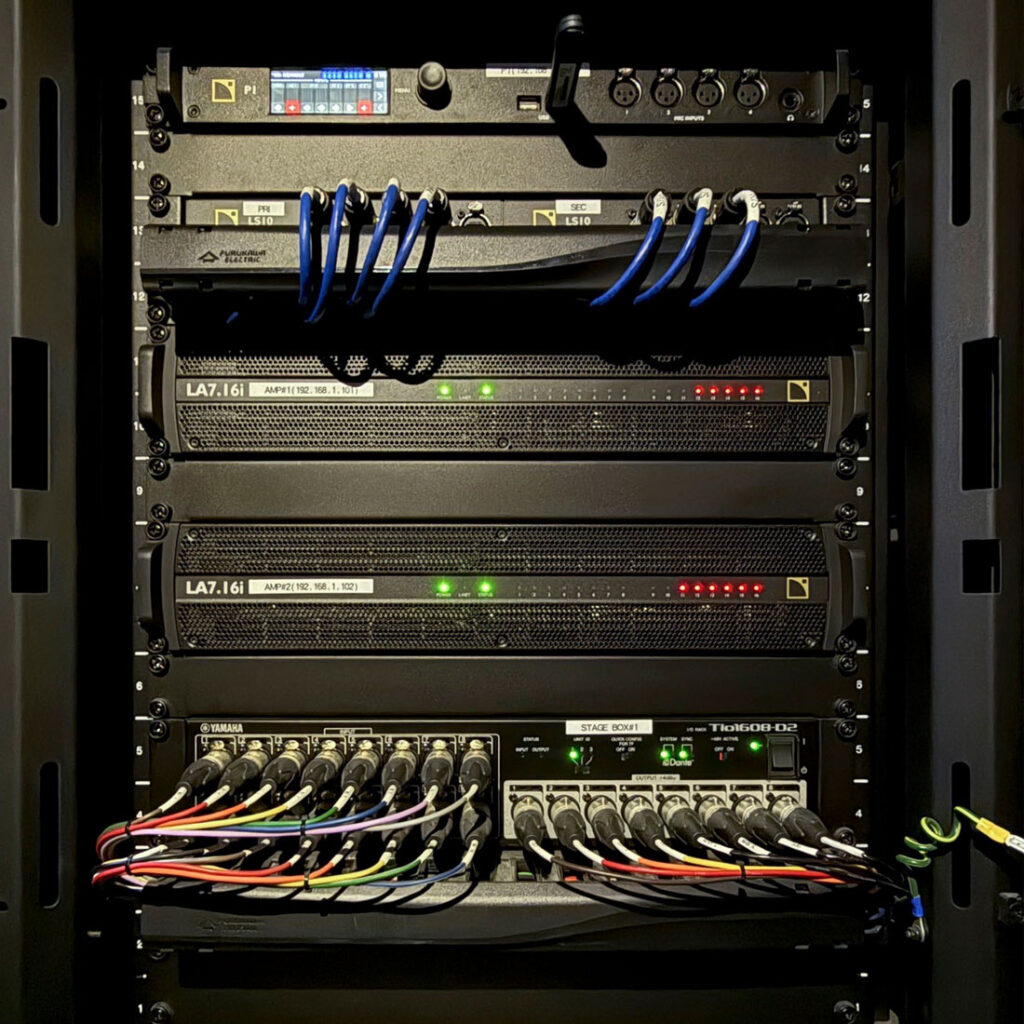
The LA7.16i delivers 16 channels of DSP-driven, high-efficiency Class D amplification in a 2U chassis. Designed for large-scale and immersive installations, it supports dense loudspeaker deployments while consuming significantly less power per channel than traditional multi-device setups.
The even more compact LA1.16i, introduced for the installation market, delivers the same 16-channel count in just a 1U rack space. It leverages L-SMART, L-Acoustics’ patented real-time power management technology. By intelligently matching power delivery to the precise needs of each loudspeaker, the LA1.16i improves overall efficiency, reduces heat generation, and minimizes environmental impact—critical concerns for modern installations in hospitality, retail, and cultural spaces.
Both models support Milan-AVB and AES67 network protocols and can be monitored and configured remotely via LA Network Manager software, reflecting a trend toward centralized, software-defined control in professional sound system design.
Efficiency as the Driving Force
Throughout the evolution of amplification, efficiency has been the key enabler. From the raw energy demands of tube designs to today’s intelligent power-matching and energy optimization technologies, each technological leap has allowed professional sound systems to become more compact, powerful, and sustainable.
Amplifier class design has played a central role: Class A emphasized fidelity at the cost of efficiency; Class A/B balanced the two; and Class D unlocked new levels of performance per watt. These developments didn’t just make systems lighter and more efficient; they made them scalable, networkable, and suitable for the immersive, high-channel-count experiences that define the cutting edge of modern sound.
Looking Ahead: Smart, Sustainable Sound
At L-Acoustics, as we approach four decades of innovation, our focus remains firmly on efficient, sustainable amplification. With intelligent energy management, reduced rack space, and seamless network integration, today’s amplified controllers prove they are more than just power sources and serve as the brain and backbone of every professional sound system.
From vacuum tubes to digitally networked amplification, the story is ultimately one of doing more with less. For us at L-Acoustics, it’s a vision of audio where technology, efficiency, and artistic expression come together to shape the future of sound.
References:
Subscribe to Our Newsletter
Get the lastest news and find out about listening events.