The Art of Sound Design: Inside the World of Foley Artists The Art of Sound Design: Inside the World of Foley Artists ...
In the world of film and television, sound design is the invisible force that shapes how we experience stories. While visuals capture our attention, it’s sound that breathes life into a scene—making footsteps echo, doors creak, and punches land with visceral impact. At the heart of this sonic storytelling lies a unique and often overlooked craft: foley art.
Named after Jack Foley, a pioneer of post-production sound effects in early Hollywood, foley is the art of recreating everyday sounds to enhance realism and emotional depth. But it’s far more than just mimicking noises. It’s a deeply creative form of sound design that blends performance, improvisation, and technical precision.
What Foley Artists Actually Do
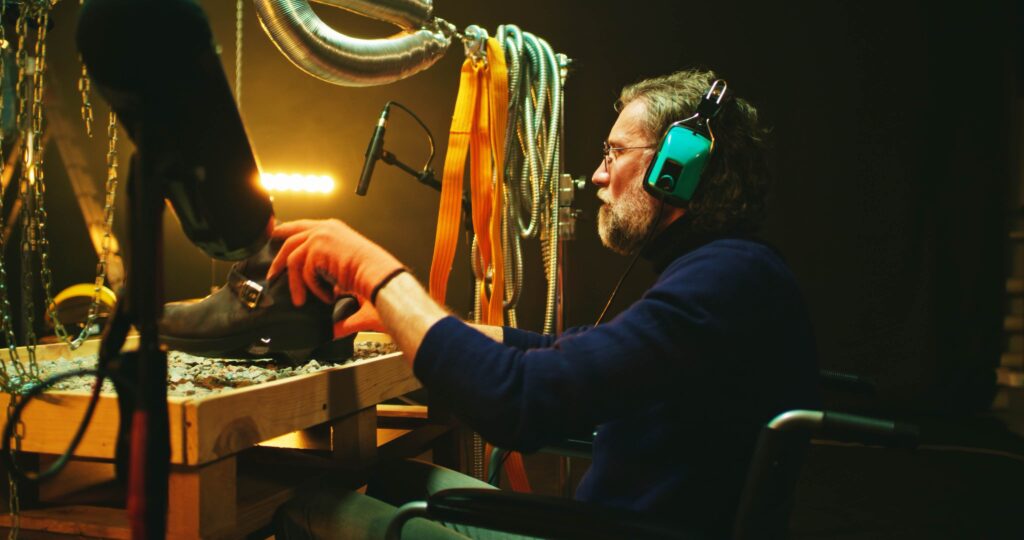
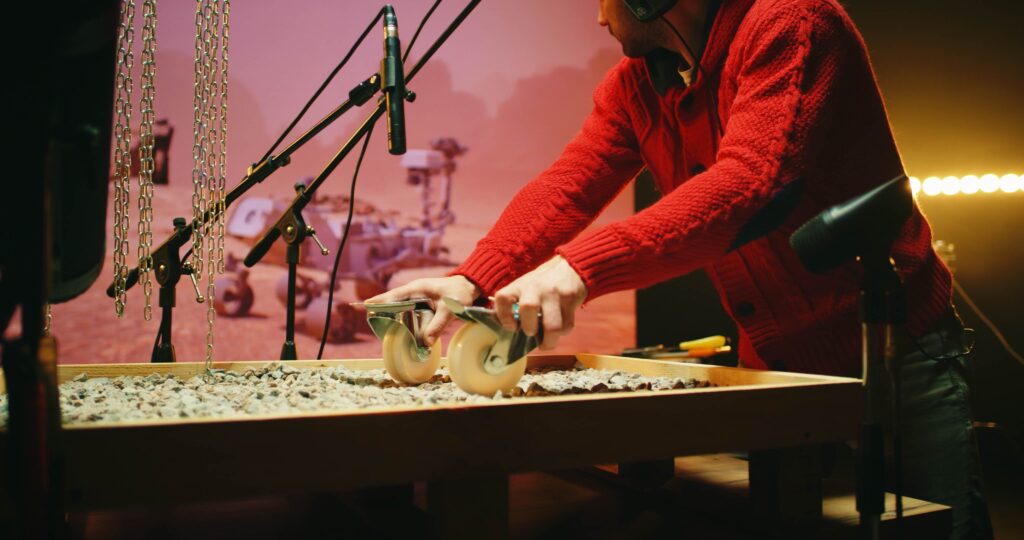
Foley artists work in specialized studios, surrounded by an eclectic mix of props: shoes of every kind, gravel pits, water tanks, metal sheets, and more. Their job is to watch a scene and recreate the sounds that would naturally occur—footsteps on different surfaces, the rustle of clothing, the clink of glass, or the subtle creak of a chair.
But foley isn’t just about realism. It’s about emotional resonance. A well-timed footstep can heighten tension. The sound of a jacket brushing against a wall can make a character feel more present. A splash of water can shift the mood from serene to chaotic. Foley artists are storytellers, using sound design to shape how we feel about what we see.
The Creative Process Behind the Sound
Creating foley is a blend of intuition and experimentation. Artists begin by watching a scene repeatedly, identifying which sounds need to be added or enhanced. Then comes the performance—timing their movements precisely to match the action on screen.
To simulate footsteps on snow, a foley artist might crush cornstarch inside a leather pouch. To mimic bones breaking, they might snap celery or frozen lettuce. Rain might be recreated using rice on a tin sheet, and fire crackles with cellophane. The goal isn’t to replicate the sound exactly as it occurs in nature, but to evoke the feeling of that sound in a way that complements the visual narrative.
This is where foley becomes a true art form within sound design, not just filling in gaps, but enhancing the emotional and sensory experience of the audience.

Why Foley Matters in Sound Design
Often, the original sounds captured during filming are unusable. Dialogue may be clear, but ambient noise, crew movement, or technical limitations can make natural sound effects unreliable. Foley fills in those gaps, ensuring that the sonic environment feels complete and immersive.
But beyond technical necessity, foley adds texture and depth. It makes scenes feel lived-in. It helps the audience suspend disbelief. In animated films, where no sound is recorded on set, foley becomes even more essential—every footstep, rustle, and impact must be created from scratch.
Foley also plays a crucial role in genre storytelling. In horror films, exaggerated sound effects can heighten fear. In action movies, they add weight and intensity. In dramas, subtle foley can make a quiet moment feel intimate and real. In each case, foley is a vital layer of sound design that helps define the tone and rhythm of a scene.
The Unsung Artists Behind the Scenes
Despite their vital role, foley artists rarely receive the spotlight. Their work is meant to blend seamlessly into the film, often unnoticed unless it’s missing. Yet their contributions are felt in every scene. They are part performer, part technician, part magician.
Many foley artists come from backgrounds in music, theater, or sound engineering. That live-performance experience gives them a unique advantage. For musicians, it’s their understanding of rhythm, dynamics, and timing—skills that translate directly into creating sound that feels authentic and emotionally charged. For theater performers, it’s their being attuned to movement, gesture, and dramatic pacing—allowing them to “act through sound” in ways that heighten storytelling.
This crossover of live performance and post-production artistry makes foley artists especially skilled at knowing what an audience needs to feel, not just what they need to hear. Their stage-trained instincts help them anticipate how sound will land in the shared space of a theater or a living room, further tying foley to the world of performance.
They must be inventive, resourceful, endlessly curious and always searching for new ways to make the invisible audible.
Foley in the Digital Age
While digital sound libraries and software have made it easier to access pre-recorded effects, foley remains irreplaceable in many productions. The organic, human touch of a live performance adds nuance that canned sounds often lack. In fact, many sound designers blend foley with digital effects to create richer, more dynamic soundscapes.
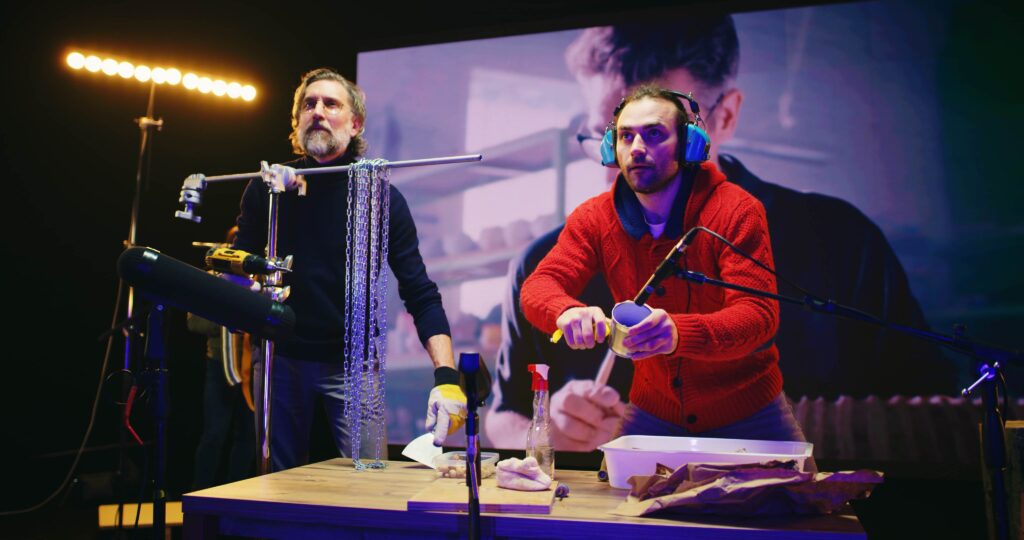
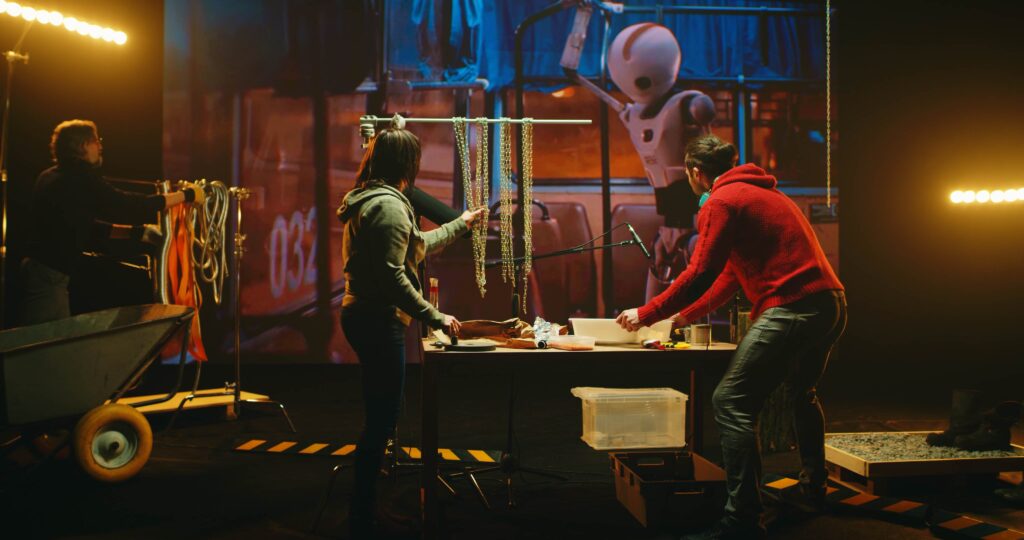
Modern foley studios are equipped with high-fidelity microphones, acoustically treated rooms, and digital editing tools. But the heart of the craft remains unchanged: a person, a prop, and a moment of creative inspiration.
The Art Beneath the Surface
Foley art is a testament to the power of sound design in storytelling. It’s a craft that operates behind the scenes yet shapes how we experience every frame. From the crunch of gravel underfoot to the whisper of wind through trees, foley artists give voice to the world we see—making it feel real, immediate, and alive.
So, the next time you watch a film and feel drawn into its atmosphere, remember someone, somewhere, was in a studio, tapping shoes on a wooden board or swishing fabric in perfect rhythm—all to make that moment resonate just a little more deeply.
Subscribe to Our Newsletter
Get the lastest news and find out about listening events.