The Future is Sound – A Conversation with Jimmy Kyriacou The Future is Sound – A Conversation with Jimmy Kyriacou...
A decade ago, Jimmy Kyriacou stepped away from a career in high-growth tech to examine the impact of sound on human health. This reflection was rooted in his experience within London’s 1980s and 90s underground rave culture, an era that defined his understanding of music as a tool for connection rather than mere entertainment. However, seeking to pursue this conversation in a meaningful community of like-minded individuals posed a challenge. At the time, no forum existed to examinesound as a pillar of human experience rather than a mere commodity. Music professionals and the wider entertainment industry seemed focused on content, streams, algorithms, virality, and fan engagement over substance, culture, and feeling.
This gap between the status quo and a desire to deepen the discourse about the role of sound and music in our lives sparked THE FUTURE IS SOUND, a platform to explore how sound and music shape the human experience.
“I understood the concept of looking at new, interesting markets and working out ways of building communities around that,” explains Jimmy. “And I really wanted to create a space where a new industry can gather. And what I mean by industry is a place where people who would attend your more traditional music events also gather, alongside artists, scientists, technologists, spiritual leaders, and cultural thinkers, really coming together to explore music and sound’s deeper role. The aim is not just to talk about music as entertainment, but as something that impacts health, culture, and society.”
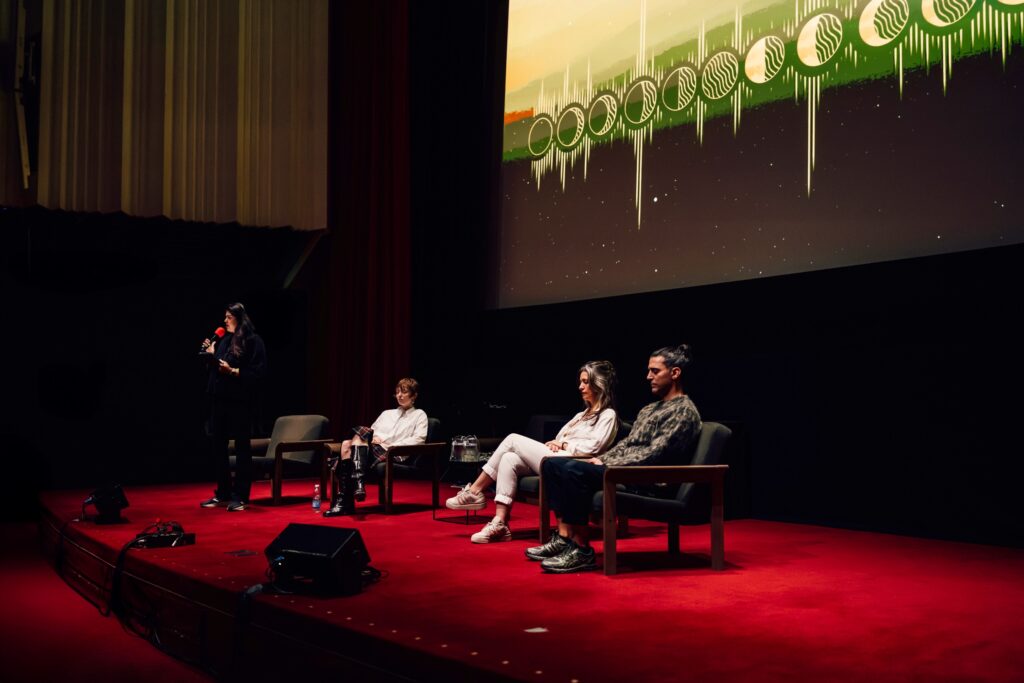
Sparking Conversation about Sound
The very first THE FUTURE IS SOUND conference in 2019 began small, in a London brewery doubling as a club space. About 50 or 60 people from Jimmy’s extended London network showed up for an eclectic “lineup” of presentations and performances. A sound bath—a rare thing at the time — performed by Tim Wheater and Cherub Sanson with traditional healing instruments, opened the assembly. Participants delved into the neuroscience of sound, sensory design, sound wearables, sound for sleep & wellbeing, and how DJ culture shapes community.
“It was very intimate,” shares Jimmy. “But you know, sometimes you just have to put something out there. There are many things I would do differently. It was very hot, and I was sitting there observing and thinking about some ways the format could be optimized, but the feedback from attendees was overwhelmingly positive,” shares Jimmy, who felt convinced this could evolve and scale as the first of many.
Within six months, another THE FUTURE IS SOUND event took place in the same venue with a different set of presenters discussing the intersection of music, health, and technology. While the event was similar in structure and content to the first, the guest list differed. “This is where things got really interesting, because after that second event, all of a sudden, people who I didn’t know were coming,” muses Jimmy. When I was looking at the attendee list, I started seeing technology companies, music brands, and investment firms. And I thought, wow, there’s definitely something here!”
Three weeks later, the pandemic would hit with full force. Determined to build upon the momentum of THE FUTURE IS SOUND, Jimmy used that period to connect with people, not just in the UK, but around the world, who were exploring sound in different ways that would nourish the DNA and programming of future conferences. That research would blossom into the subsequent editions of THE FUTURE IS SOUND, which continues to grow in scope and notoriety.
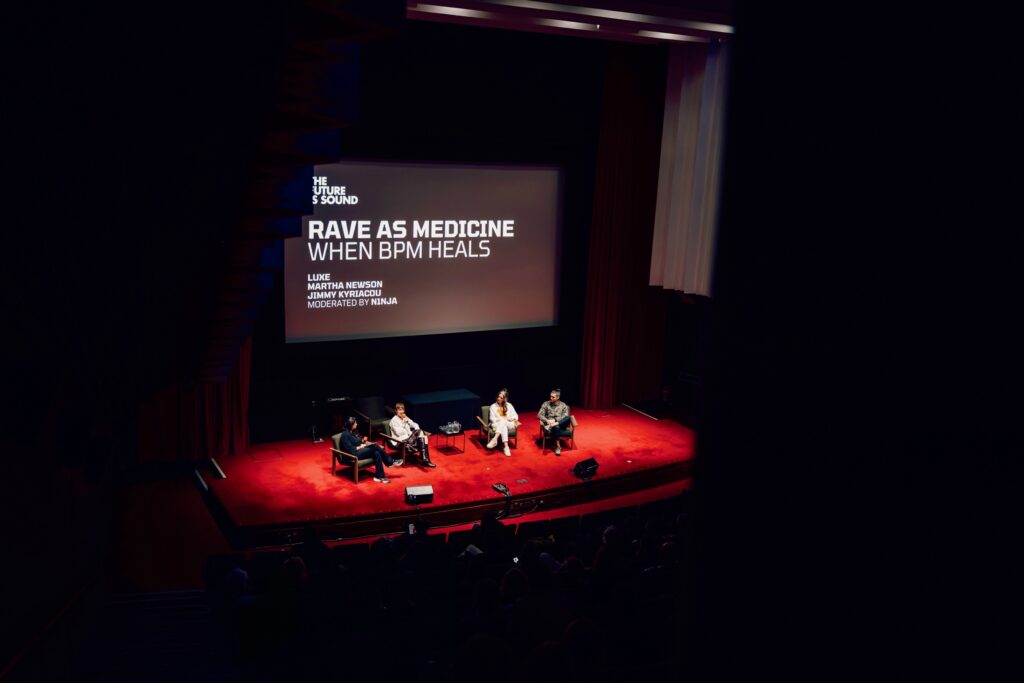
A Sound Community in London
Now in its 7th year, THE FUTURE IS SOUND has celebrated six summit events in increasingly larger venues such as The Barbican and Ally Pally Theatre. Recently, for the first time, THE FUTURE IS SOUND was presented as an all-day event instead of an evening-only gathering. Asking attendees to make time in their professional day for a conversation about sound and music elevates expectations around showcasing the most innovative practitioners in sound alongside organizations that harness the power of music and sound to make an impact on the planet and humanity.
“I think we’re in changing times right now,” expresses Jimmy. “We have been in this new evolution of sound and wellbeing, health, as well as impact in the corporate world, in culture, in society, in music. People are more tuned into that. Music is just very powerful.” THE FUTURE IS SOUND seeks to amplify the voice of organizations sharing this vision. This includes non-profits such as Earth Percent, harnessing the power of music and artists to address the climate change crisis; Nordoff Robbins, whose pioneering work in music therapy helps patients and families deal with serious conditions from dementia to mental health; and In Place of War, uniting creatives to inspire grassroots change to support communities affected by war and oppression.
“What started off as a series of events that were quite educational, looking at the power of music and sound, is evolving into something much bigger,” observes Jimmy. One source of inspiration has been Tony Wilson, founder of Factory Records and the famous Hacienda nightclub. Wilson’s “bold, values-led cultural leadership” helped shape Manchester in the 1980s. Jimmy believes that producing a kind of cultural infrastructure in London with sound and music as essential scaffolding could infuse the city with a renewed sense of purpose.
On the London origins of THE FUTURE IS SOUND, Jimmy explains, “London felt like the natural home for it. Many will debate this, but I feel London is one of the music capitals, if not the music capital, of the world. It deserves a platform we’re looking to scale, really exploring music in a deeper, more future-facing way that doesn’t replicate what exists at some of the other amazing conferences around the world. There’s a lot of negative dialogue around venues and clubs closing, which is true, but I think it’s an evolving landscape,” elaborates Jimmy. “There’s an emergence of immersive experiences and an economy around that.” While many of these experiences are rich in visuals, sound, particularly in spatial and 360 formats, can achieve a heightened sense of immersion and involvement.
“So I’m excited by what’s happening, and I really want to use THE FUTURE IS SOUND platform also as an inspirational showcase to show the new generation, artists, and the new industry that’s forming that there are other ways of developing yourself above and beyond just being on a stage. That is very different from how it was 10 or 15 years ago,” enthuses Jimmy.
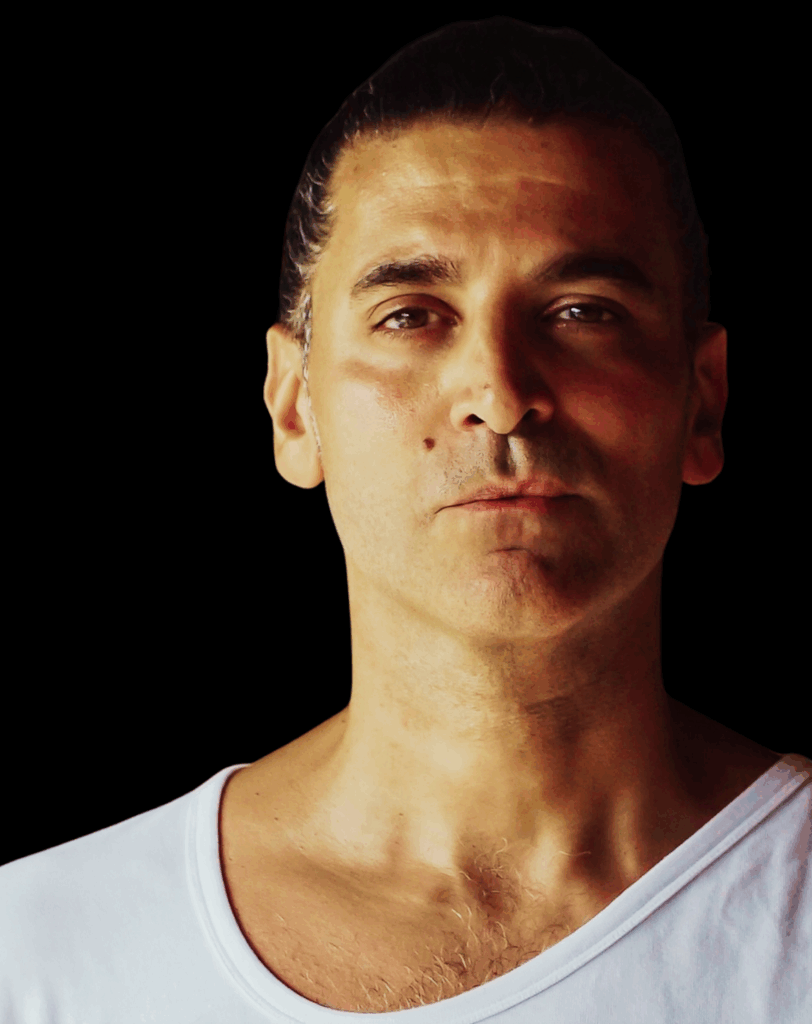
The Future is Sound Looks Back and Forward
“I like to use the phrase ‘back to the future,’” says Jimmy.
“And what I mean by that is we’re very much returning to how our ancient cultures understood sound as something used for connection, for healing, for community… for something above just the word entertainment. This feeds into all of the things I’m talking about with this whole collective shared experience with sound at the forefront that can really shift society in new directions.” Jimmy evokes a rise in discussions about experience, happiness, wellness, and longevity, expressing a conviction that sound and music will greatly influence all of these areas. “We are all probably using music in some way regularly to ‘self-medicate’ because music makes us feel something profound.” How society fully harnesses the future of sound is unfolding before us every day. Jimmy Kyriacou of THE FUTURE IS SOUND has every intention to help build and fuel that momentum.
Subscribe to Our Newsletter
Get the lastest news and find out about listening events.