When Music Brings Us Together: The Science Behind Collective Resonance and Effervescence When Music Brings Us Together: The Science Behind Collective Resonance and Effer...
The simplest sounds can anchor and inspire us.
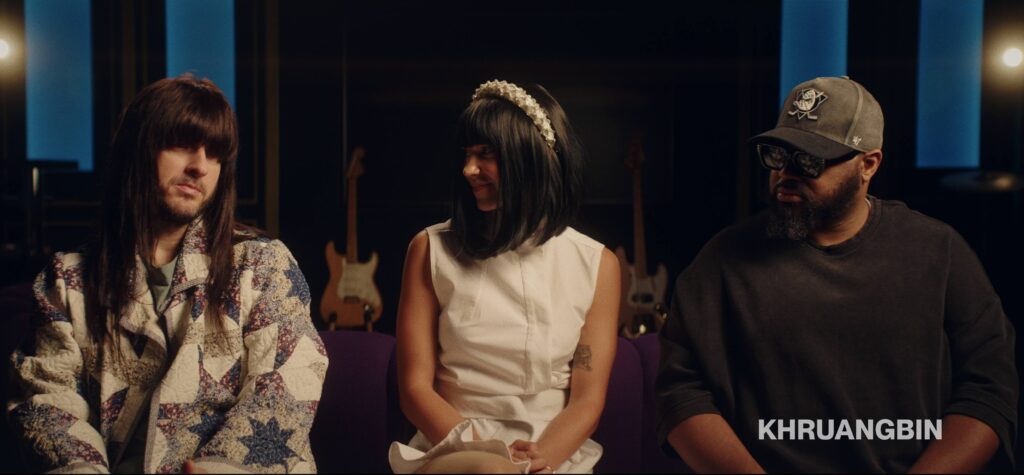
For the members of Houston musical trio Khruangbin, they’re the sound of a mother’s whistle, the clink of a particular set of keys, and the call of birds. Sounds they have carried since childhood. For Brazilian DJ, producer, and philanthropist Alok, the sound of the ocean has always been his greatest love. These sounds, and so many others to which these artists are drawn, have fuelled their music for years.
What happens, then, when we experience sound and music as a collective? When we respond to these moments not as individuals, but as a group? What happens to our bodies, to our emotions, to our brains, to our sense of connection with those around us?
In the second episode of The Art of Sound docuseries by L-Acoustics, two films — the first featuring Khruangbin and the second, Alok — seek to answer these questions by drawing on an ever-growing body of scientific inquiry.
Coming Together as Collective Resonance
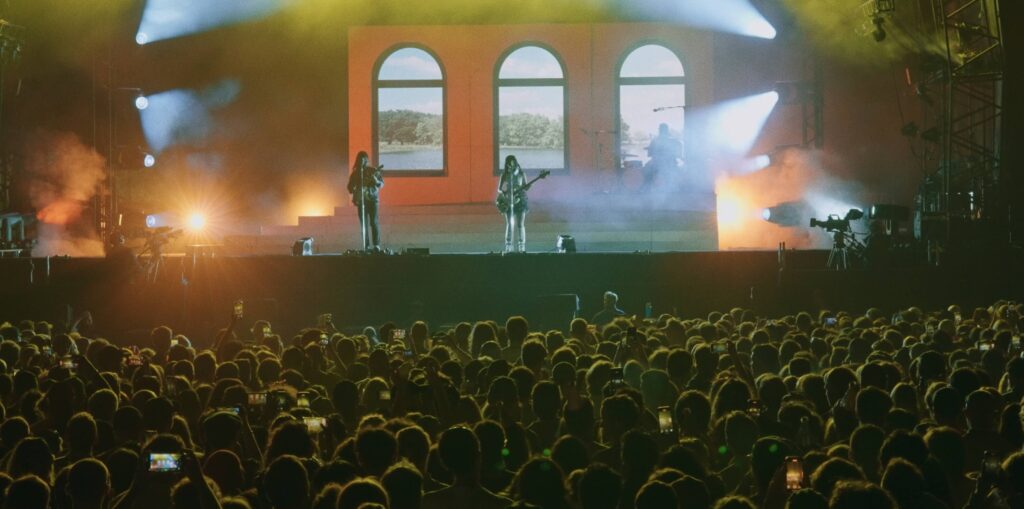
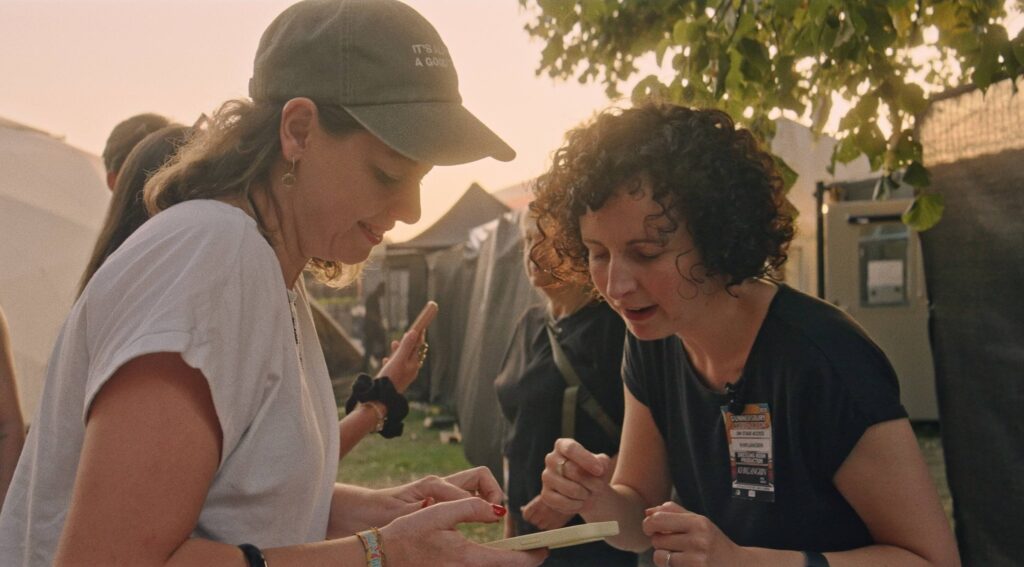
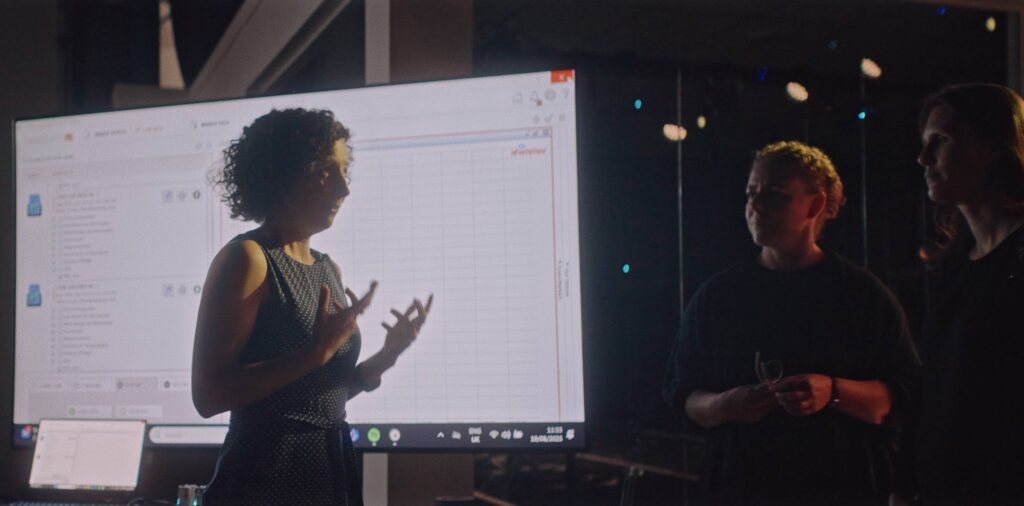
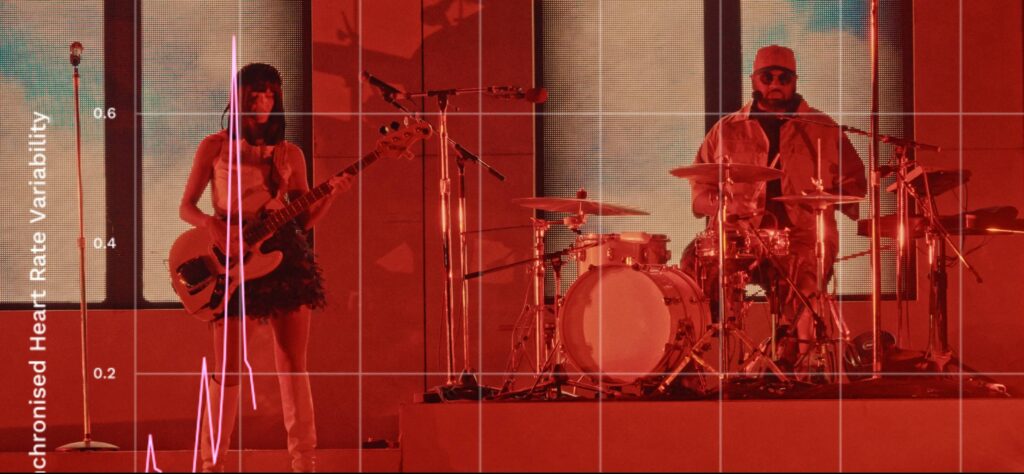
At a recent Khruangbin concert in London, University of York musicologist Professor Helena Daffern ran a research experiment, attaching heart rate monitors to members of the band and people in the audience. She aimed to gather data on synchronized heart rate variability — the extent to which everyone’s heartbeats fell into rhythm with each other.
This type of synchronization has been seen in Gregorian and plainchant choirs where, as vocalists sing and breathe as one, their heart rate variability converges. It’s a form of what Daffern refers to as collective resonance, an example of how people sharing the same experience start to align physiologically, emotionally and even cognitively.
“There’s some really exciting research coming out of neuroscience at the moment to understand what’s happening when people perform music together, when they’re entrained, when they’re coordinating action,” Daffern continues. In a 2021 study, for example, 20 pairs of pianists wore wireless EEG caps while playing a duet, and researchers found that their brainwaves became coupled at the tempo of the performance. Playing together, in other words, synced their brain activity.
At live performances, the sense of connection that takes place between musicians also takes place between audience members and between the musicians and the audience.
Daffern talks about how audiences have collective resonance in terms of the actions they make, and how they influence the people around them in both movement and mood. Khruangbin’s Laura Lee describes how the stage and the crowd feed off each other in contagious and reinforcing ways: “I think the way that we’re feeling together translates out there. We feel something, and they feel something, and it becomes this bigger unit.”
“I think there’s absolutely a collective resonance between the three of us,” says bandmate Mark Speer. “I’m not even sure if I can play these songs properly without being in the same room or on the same stage with these guys.” To which Donald Johnson adds: “I think when you listen to Khruangbin, you’re actually hearing 15 years of friendship.”
‘Something Bigger Than Ourselves’
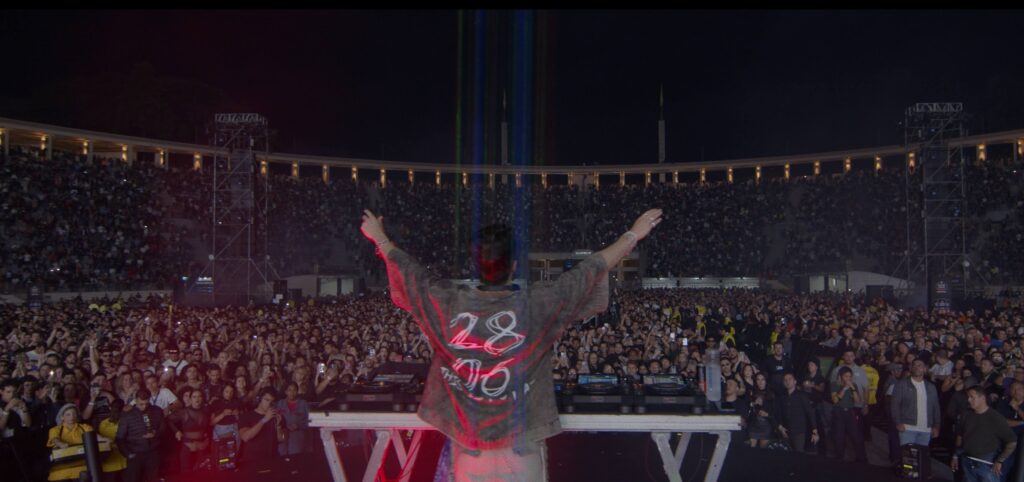
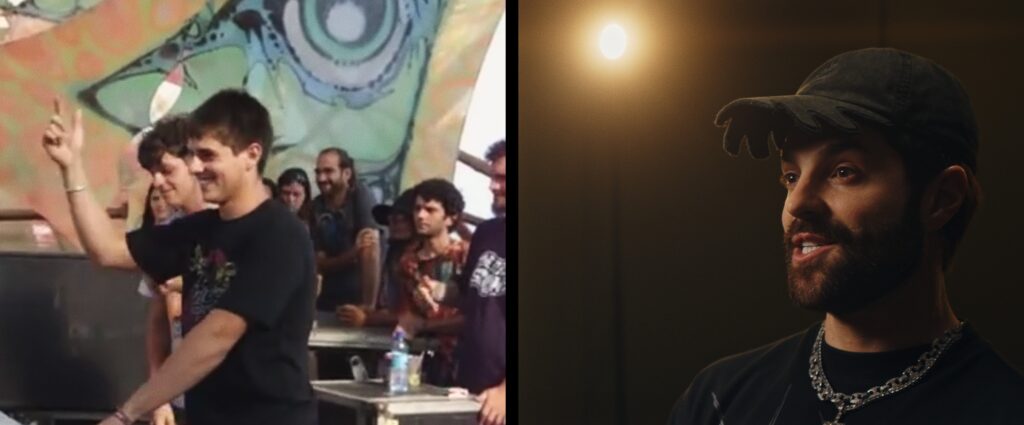
Alok was 12 years old when he performed his first DJ set to a party of 200 people. When the drop came, he instinctively raised his hands and, just as instinctively, the crowd did the same. He describes it as a wordless moment of connection that amazed him at the time. It still does when he performs to audiences of over a million people today.
In front of these enormous crowds, Alok used to feel overwhelmed: “I felt like I was a river and I was facing this ocean, which was this crowd of people. And I was afraid of them because I was one, and they were one million. But when I got there and started performing, I realized I had actually become one with them. We all became one.”
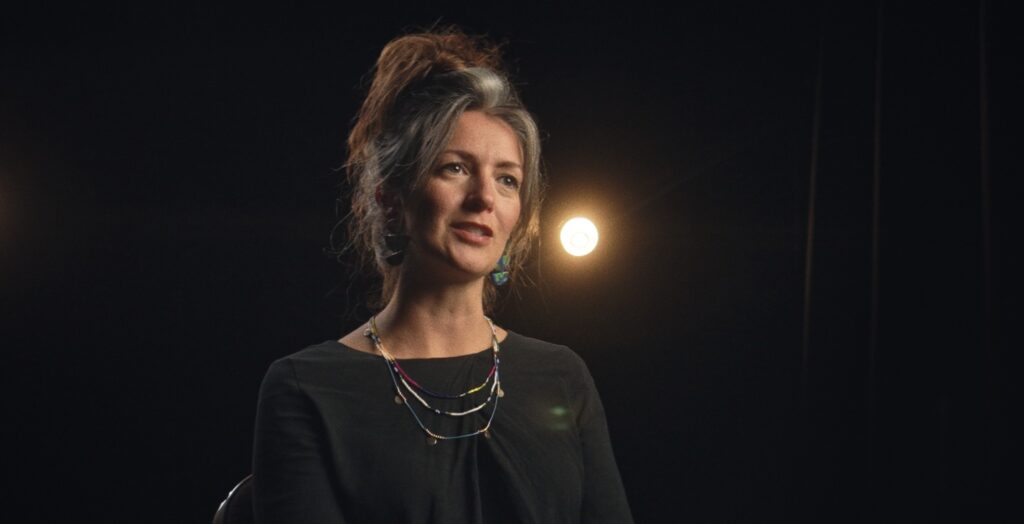
University of Greenwich cognitive anthropologist Dr. Martha Newson has explored this experience through her work on identity fusion, the strongest form of social cohesion. It’s when your sense of self becomes completely embedded in the group of which you are a part. It’s the mechanism that transforms collective resonance into collective effervescence, a century-old sociological term from Émile Durkheim that refers to the awe and self-transcendence of dissolving into a crowd.
“Collective effervescence is that fizzy magic sensation we get from being a part of something bigger than ourselves,” says Newson. “You might have goosebumps. You’re both aware of everyone else around you and absorbed into that mass. One of the reasons people bond so much through shared music and dance experiences is that they feel awe. There’s an opportunity to integrate others into your sense of who you are, and then you’re fused.”
Research has shown that singing together, even if you’re singing with strangers, makes you feel closer to those around you. And, in releasing endorphins, dancing increases our pain threshold. Other studies have evaluated how perceived emotional synchrony occurs in large collective gatherings such as concerts and festivals. This is the shared experience of a high emotional state that makes us feel united and connected, even empowered.
If collective resonance is what happens when our bodies sync up, collective effervescence is the internal sensation of that synchrony. Framed this way, they can feel abstract and academic. But if you’ve ever been in a crowd, singing and dancing to an artist you love or relishing the thrill of the drop, you’ll be deeply familiar with what they’re describing.
“The drop allows people to reharmonize,” says Newson. “The beat has been made much clearer, and everyone comes into that particular moment, and the release is not just in the tension that’s built up from the music but the release in doing it together.”
No wonder we put our hands up.
Measurement and Why It Matters
Monitoring and measuring these physiological and emotional responses is a well-researched space. Wearable tech at concerts has shown that the extent to which someone’s heartbeat syncs with the rest of the room indicates how much they enjoy and are moved by a concert. And other EEG studies have found that low-frequency brainwave synchrony across a crowd rises and falls with people’s level of engagement. It also rises more for live performances than recorded listening sessions.
Dr. Joe Williams, a postdoctoral research associate at the University of York, is interested in how movement reflects our level of engagement. In his research, he uses camera tracking to show that people physically move more, and more expressively, at live shows.
“When people move in sync to the music, that is a behavior that we intuitively know indicates engagement,” says Williams. “So if we’re able to track the movement of their heads and compare that to the tempo of the music and the motion of everyone around them, we’re able to get an indication of how engaged they might be.”
Some studies are pairing skin sensors with cardiac sensors, and some devices are designed to detect and induce the goosebumps people get from live music. Ultimately, academics interested in this space are curious about how our hearts, brains, movements and skin can show what we’re collectively doing and feeling as we listen to live music.
Why does this matter?
“If we understand how mass rituals work and what’s happening in the body and the mind, and our feelings and the spirit as well,” Newson explains, “then we’re better placed to design rituals that help people to come together and channel those events to be about positive and prosocial things. You know, tackling climate change, anti-racism, all the rest of it.”
Using technology to understand what’s going on in people’s bodies and what they find meaningful can help to inform policy, she says, which helps to advocate for the importance of shared spaces and experiences. Alok is exploring this through his recent project, THE FUTURE IS ANCESTRAL, which involves working with indigenous communities who use music and ritual to preserve their culture, to communicate with their ancestors, and to heal. The project is both an album and several awareness-raising cultural, social, and environmental initiatives.
The Physics and Physicality of Sound
All of these physiological and emotional experiences, the sensations of togetherness and ritual, are made possible by sound. They’re the reaction we have to a poignant note being sung, to the kick we feel through the floor, and the deep vibration of the bass in our bones.
“You can’t have sound without science,” says Johnson. “Sound is essentially waves. Those waves equate to numbers and tones. And I’ve always been interested in how it all lines up.”
When Daffern conducts her research using an L-Acoustics L-ISA Immersive, she finds she can digitally control the environment, achieving true sonic realism. This technology also lets engineers shape how sound moves through a space, giving audiences a similar experience no matter where they’re standing and, in turn, influencing how they respond. “We’re on a road map to be able to capture the essence of what liveness and music-making means,” Daffern says, “and to extend that for everyone to be a shared experience.”
As AI changes both how we produce music and how it sounds, this sense of liveness and collective resonance, and effervescence has become more captivating than ever. It’s a physical, emotional and shared interaction that can’t be synthesized.
“Music, when it comes down to it, is all about connecting people,” says Speer. It might start with a whistle, a jangle of keys, birdsong or the roar of the ocean. But it reaches its zenith in the moments when we come together as one.
The Art of Sound Episode 2, Part 1: Collective Resonance and The Art of Sound Episode 2, Part 2: The Shared Experience are now live on YouTube.
Subscribe to Our Newsletter
Get the lastest news and find out about listening events.