How L-ISA and Bowie: Unseen | Unheard Are Redefining Spatial Storytelling How L-ISA and Bowie: Unseen | Unheard Are Redefining Spatial Storytelling...
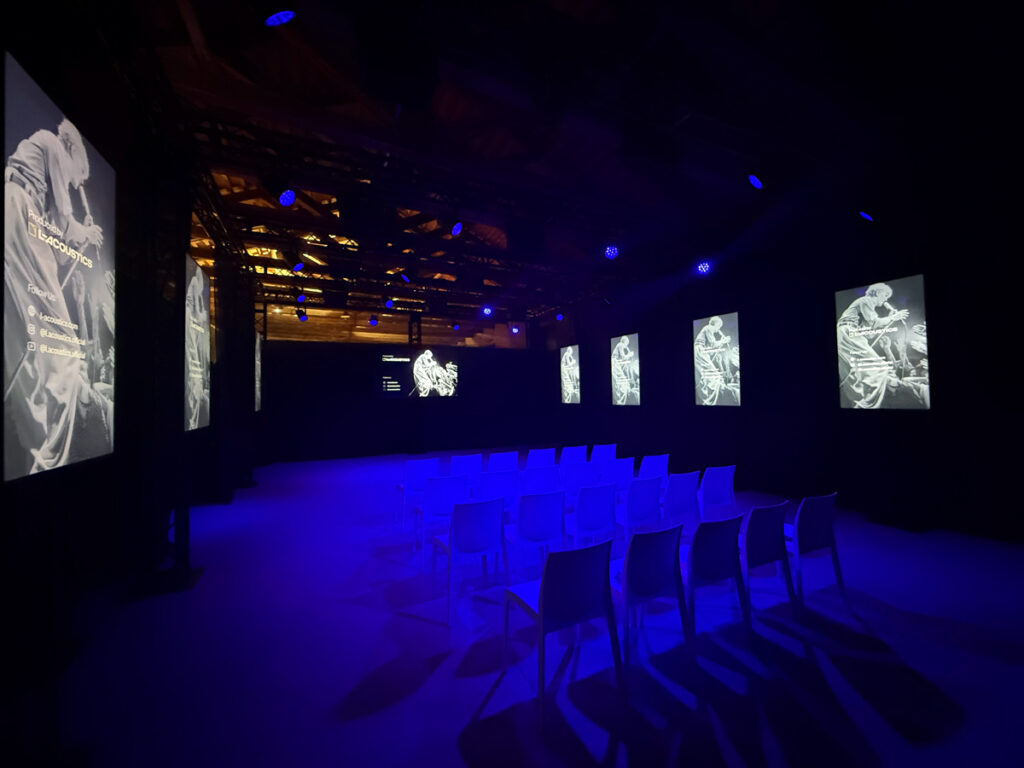
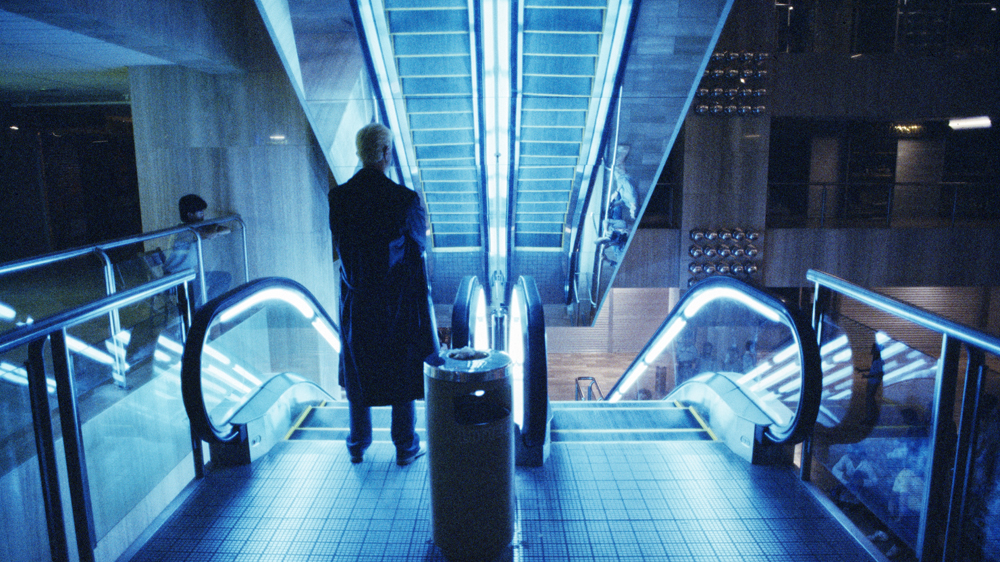
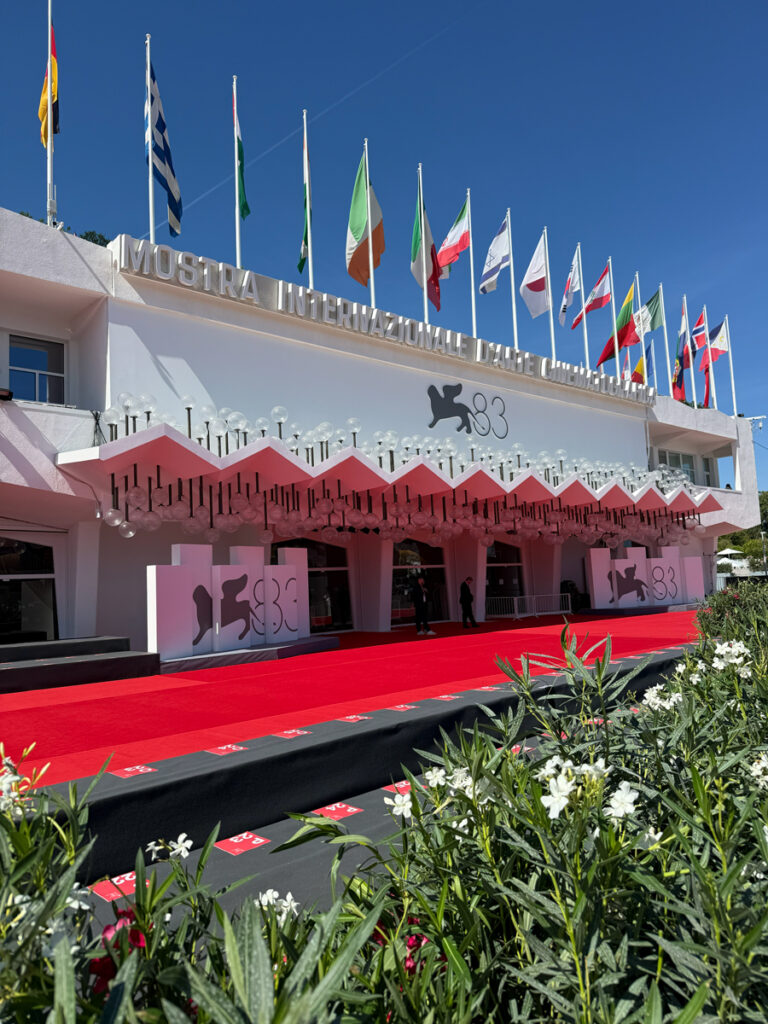
At the 83rd Venice International Film Festival, the premiere of Bowie: Unseen | Unheard signaled a critical turning point for experiential art and location-based entertainment (LBE). Rather than relying on traditional visual displays or isolating virtual reality headsets, the installation pairs photographer Denis O’Regan’s massive archival collection of David Bowie with L-ISA spatial audio technology. By deploying over 60 concealed loudspeakers to position sound as three-dimensional objects, the work transforms static archival preservation into an active, shared acoustic landscape where space, sound, and visual history converge.
Breaking Away from the Headset: Shared Acoustic Immersion
For years, immersive entertainment was largely synonymous with individual headsets. However, industry coverage from Variety and Yahoo emphasizes how Bowie: Unseen | Unheard demonstrates a scalable, collective approach to LBE. By prioritizing natural human embodiment and physical presence over isolated screens, spatial audio enables audiences to experience art together in real space.
Speaking on the broader implications for location-based experiences, our L-Acoustics Director of Creative Engagement, Amber Mundinger, noted the shift toward shared fidelity: “Sound is art, and we mean to showcase that… A purpose-built space like the one created for Venice can be replicated worldwide, giving people the same unique experience. The goal is to keep it intimate, with 20 to 30 people at a time living inside Bowie’s world while staying sonically true each time. That’s where LBE is heading.”
Spatial Audio as an Active Narrative Engine
As Forbes and Surface explore, object-based audio changes the fundamental relationship between viewer and exhibit. Rather than serving as background accompaniment, sound becomes a co-equal narrative voice that can direct attention, evoke memory, and add emotional weight to visual artifacts. Highlighting this shift away from isolated screen-based formats, Venice Immersive co-curator Liz Rosenthal observed that the festival features “projects that aren’t in headsets at all but are using embodiment and space in really interesting ways.”
Reflecting on how spatial audio transforms historical media, Amber explained to Surface: “Denis O’Regan’s photographs give us an extraordinary visual archive of Bowie, but through Nick Ryan’s sound design, Joe Crossley’s visual work and L-ISA spatial audio, those images become something you can actually inhabit… For L-Acoustics, this is really about what happens when technology becomes an enabler of artistic collaboration—when sound doesn’t simply accompany an image, but changes your relationship to it.”
Engineering the Living Archive
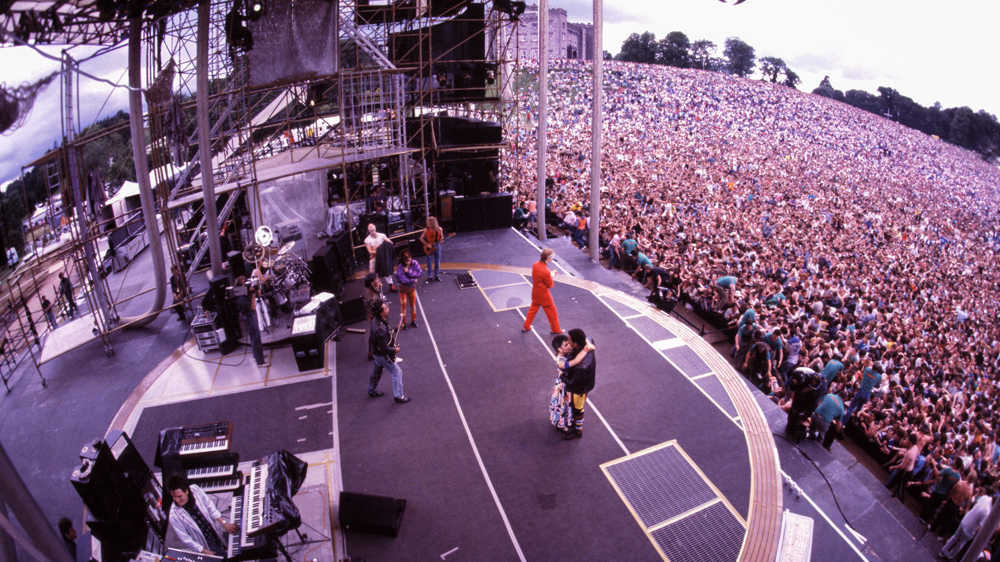
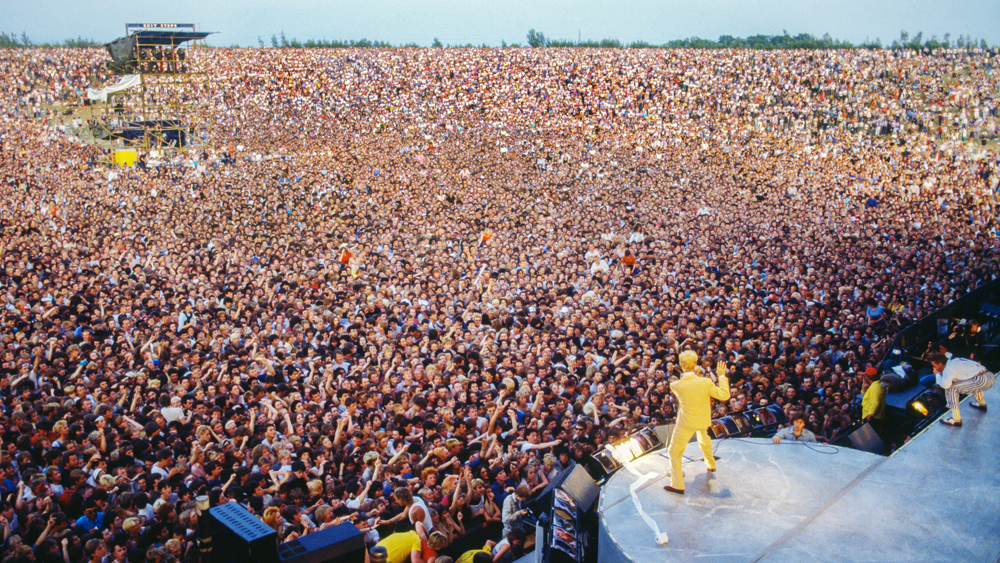
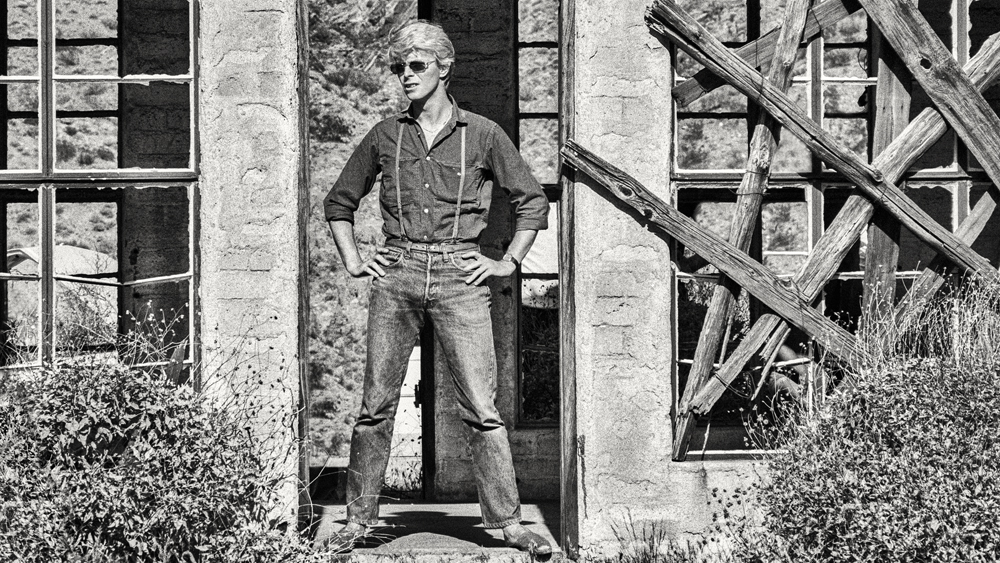
Critical reporting from Artnet and PetaPixel highlights the scale required to bridge visual history and acoustic spatialization. With O’Regan having amassed an archive of over 10,000 images, the exhibition brings together 800 photographs, pairing them with soundscapes designed by Nick Ryan, compositions by Mike Garson, and commentary from O’Regan himself. PetaPixel described the result as an “immersive spatial-sound documentary” that uses 60 L-ISA speakers to construct an acoustic environment surrounding the viewer.
European coverage across Italy’s Sky News and Il Messaggero further shows how spatial audio offers an intimate, parallel narrative that elevates static photography. Sky News noted that the soundscape functions as “una narrazione parallela” (a parallel narrative) conveyed through L-ISA technology, offering small audiences of 25 people per screening an immersive multi-sensory experience.
The Future of Acoustic Preservation and Storytelling
The consensus from Venice indicates that passive audience engagement is being replaced by spatial, multi-sensory environments. By transforming an extensive visual archive into an immersive auditory journey, L-ISA spatial audio establishes a new template for museum curation, documentary film, and experiential entertainment. As institutions look to engage modern audiences, Bowie: Unseen | Unheard demonstrates that spatial sound is not merely an enhancement, but a fundamental pillar of contemporary storytelling.
Explore how L-ISA Immersive bridges the gap between the visual and auditory narrative by clicking here.
Subscribe to Our Newsletter
Get the lastest news and find out about listening events.