Does a Subwoofer Launched with One System Work Just as Well with Another? Pairing CS1 with K Series Does a Subwoofer Launched with One System Work Just as Well with Another? Pairin...
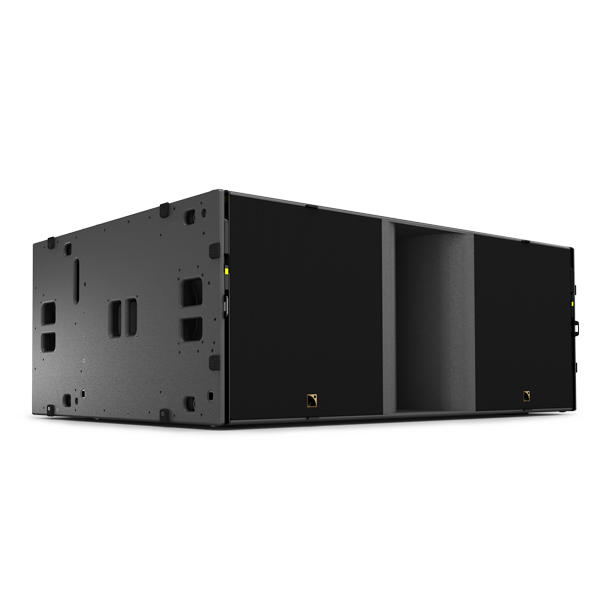
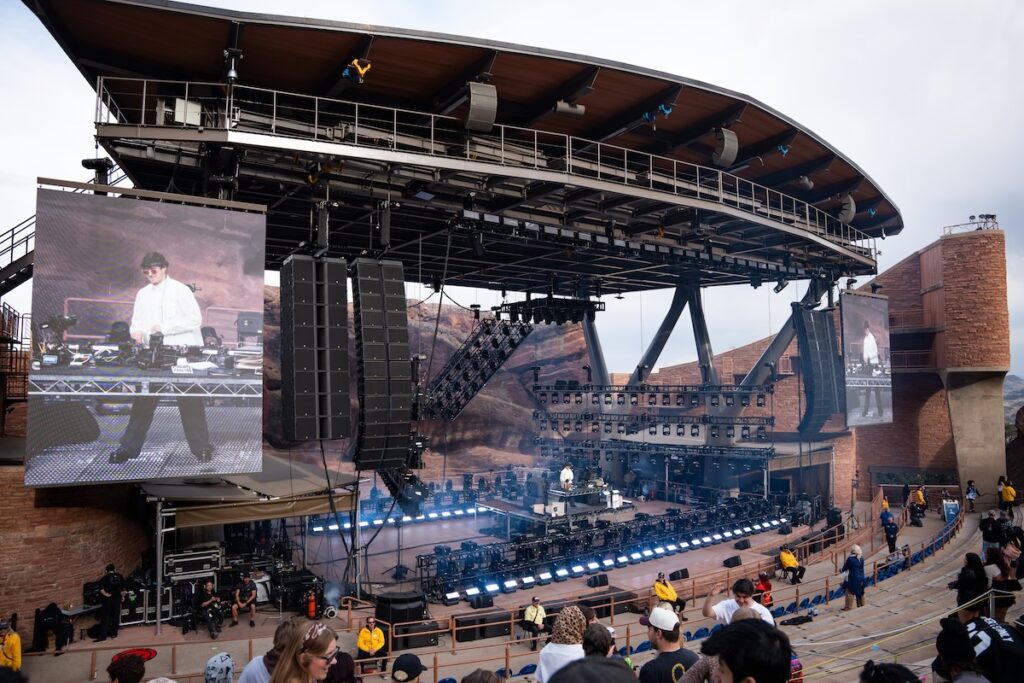
What makes a subwoofer a genuine match for a large-format line array, rather than just a compatible box that happens to fit the rig? Fit comes down to output, pattern control, and a shared engineering philosophy, and CS1 checks every one of those boxes for K Series. L-Acoustics launched CS1 as the companion subwoofer to L1, the new flagship of the L Series, but its output capability and native cardioid architecture make it just as compelling for K Series deployments. Production teams have already proven that pairing in the field rather than treating CS1 as an L1 exclusive: CS1 delivered the low end on the main stage at both Ultra Music Festival and John Summit’s performance at Red Rocks Amphitheater, and neither event ran L1 as its primary system. For anyone specifying a professional sound system for a stadium tour, an arena run, or a multi-day festival, CS1 now belongs in the conversation.
Built for L1, at Home on K Series Stages
CS1 launched as the companion subwoofer to L1, and that pairing remains the foundation of the product. Its cardioid architecture and output profile made it a natural fit from the start, showing up alongside L1 on productions like Bruno Mars’ The Romantic tour and the Hollywood Bowl’s new permanent installation. From there, CS1 extended that same strength to K Series, sharpening its cardioid configurations and anchoring both John Summit at Red Rocks and Ultra.
Cardioid Control, Extended Throw
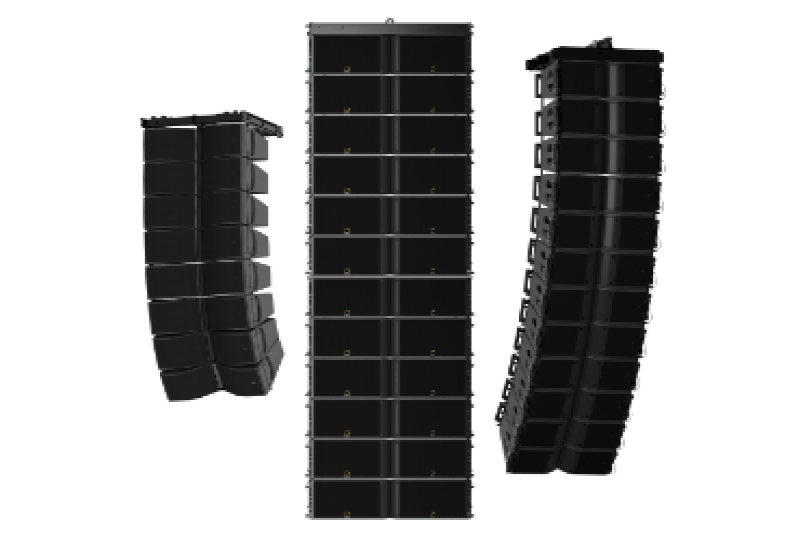
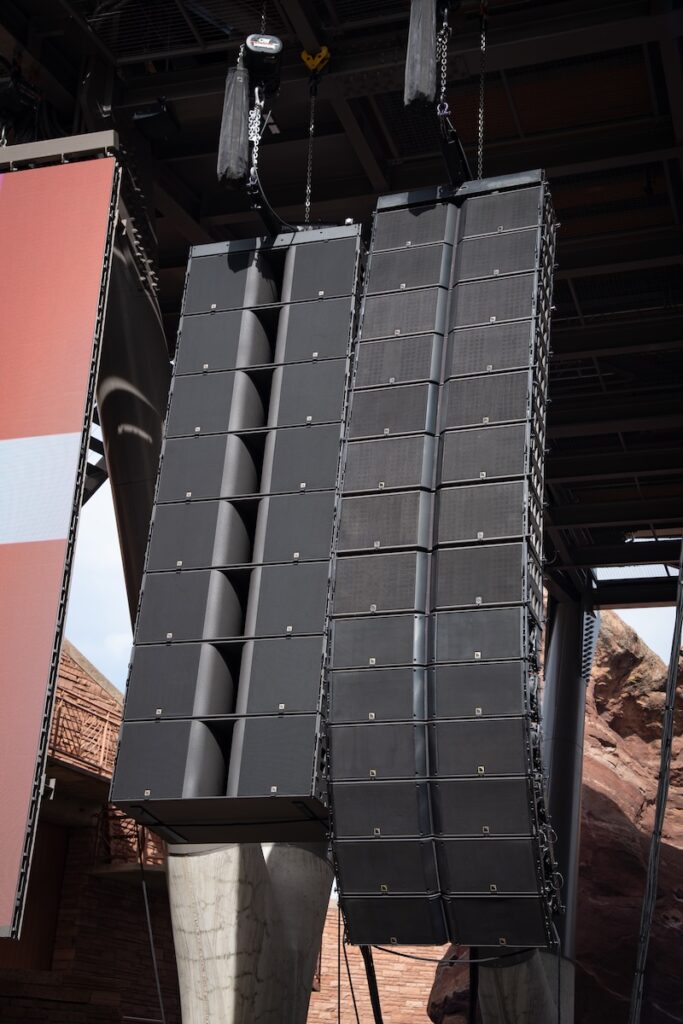
K Series has anchored large-format touring and festival production for more than fifteen years, and its classic cardioid subwoofer configuration, K1 or K2 paired with K1-SB behind, set the early standard for directional low end in a line source system. CS1 is natively cardioid and extends that same cardioid philosophy into a single enclosure, and it can be flown behind or beside a K1 or K2 array to reinforce that pattern control or ground-stacked.
The more interesting option is combining the two. Pairing CS1 with K1-SB lets engineers stack CS1’s tight cardioid directivity with K1-SB’s extended low-frequency throw, giving a system both the rejection a dense festival site demands and the projection a large stadium bowl needs, from the same subwoofer layer.
CS1 also solves a space problem. It stands at roughly half the height of KS28 while matching its bandwidth and delivering noticeably more punch, a meaningful advantage anywhere sightlines, or rigging point count are tight.
One Platform, Less to Manage
CS1 also runs on the same amplification platforms that K Series crews already know, with support for both LA7.16 and LA12X. That shared amplification and rigging language means a touring company running K Series does not need to relearn a new deployment workflow or cabling infrastructure to bring CS1 into the rig. When powered by LA7.16, each of CS1’s eight transducers benefits from dedicated amplification and DSP processing, enabling precise control of every acoustic element. As CS1 occupies only eight of the amplifier’s sixteen channels, the remaining channels can be used to power lower-power loudspeakers such as front fills or out fills, helping simplify system infrastructure and reduce amplifier count in suitable deployments. This is made possible by L-SMART technology integrated into LA7.16, that uses predictive modeling algorithms to manage PSU and the individual amplification channels.
A Direct Upgrade Path for K Series Fleets
Rental houses and touring vendors already running K Series get a way to expand capability without adding complexity:
- Standardize inventory: consolidate subwoofer stock around CS1 instead of maintaining separate lines for every large-format system, freeing up warehouse space and cutting maintenance overhead.
- Match the standard platform: CS1 runs on LA12X and LA7.16 the amplification K Series crews already use, so there’s no new platform to stock or train on.
- Native cardioid: built-in cardioid and supercardioid presets replace the need for separate cardioid arrays or extra processing.
- Smaller footprint: CS1’s reduced height over KS28 saves truck pack and rigging points without giving up bandwidth or impact.
The Takeaway
CS1 launched as a partner to L1, and that pairing remains central to the product. The subwoofer’s cardioid architecture and output capability were always suited to K Series as well, and production teams have already put that fit to the test on some of the biggest stages in live music. Festivals don’t book gear on potential but because it works, and CS1 has already worked at concerts and festivals such Ultra without an L1 array anywhere nearby.
For production companies building out a professional sound system that needs to flex across different tours, different festivals, and different main arrays, that track record matters. CS1 gives K Series crews a modern, high-output cardioid subwoofer option built on current technology, while giving L1 crews the exact low end the system was designed around. CS1 was developed as part of the L1 system, but its compatibility with K Series deployments gives rental companies and production providers a straightforward path to modernize their low frequency inventory without changing the systems they already trust.
Just as KS28 advanced what K Series could do in 2016, CS1 pushes that evolution forward again today, adding modern, space-efficient output to a platform that keeps getting stronger with each generation. Whether supporting L1 or K Series, CS1 brings the latest L-Acoustics low frequency technology to the world’s biggest productions and their audiences.
Subscribe to Our Newsletter
Get the lastest news and find out about listening events.