EarthPercent: Expanding Nature Connectedness with Music EarthPercent: Expanding Nature Connectedness with Music...
“River Deep, Mountain High.” “Ocean Eyes.” “What a Wonderful World.” Think about how many songs have taken inspiration from the Earth itself and its natural wonders.
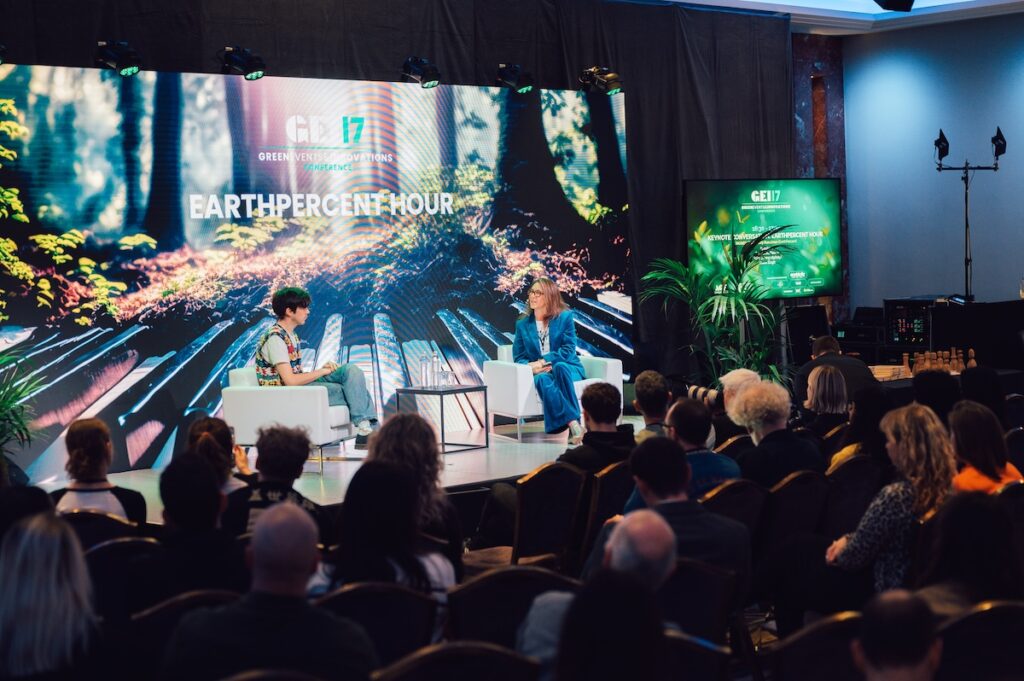
Thanks to the UK-based organization EarthPercent, musicians now have a way to pay back our planet and help fight the global climate crisis that threatens our future. With the “Earth Is Our Co-Writer” initiative, songwriters can credit the Earth as part of the composing team, generating royalties that contribute to climate causes.
“It’s still a work-in-progress in terms of the ideal and simplest way to make this real,” says EarthPercent Co-Executive Director Cathy Runciman, “but we’ve been able to help hundreds of songs get out in the world crediting the Earth, from artists including Jarvis Cocker, Jacob Collier, and AURORA.”
The program is the latest innovation by EarthPercent, founded in 2021 by visionary producer and musician Brian Eno, along with managers Adam Callan and Hiroki Shirasuka. (Famously, Eno skipped the 2019 induction of his former band Roxy Music into the Rock and Roll Hall of Fame because he had pledged not to fly for a full year to lower his carbon footprint.) The initial idea, according to Runciman, was “to help busy people in music who might be worried about the health of our planet to find really impactful solutions, vital work, and brilliant organizations that need support—and to offer a simple way to route that support to them.”
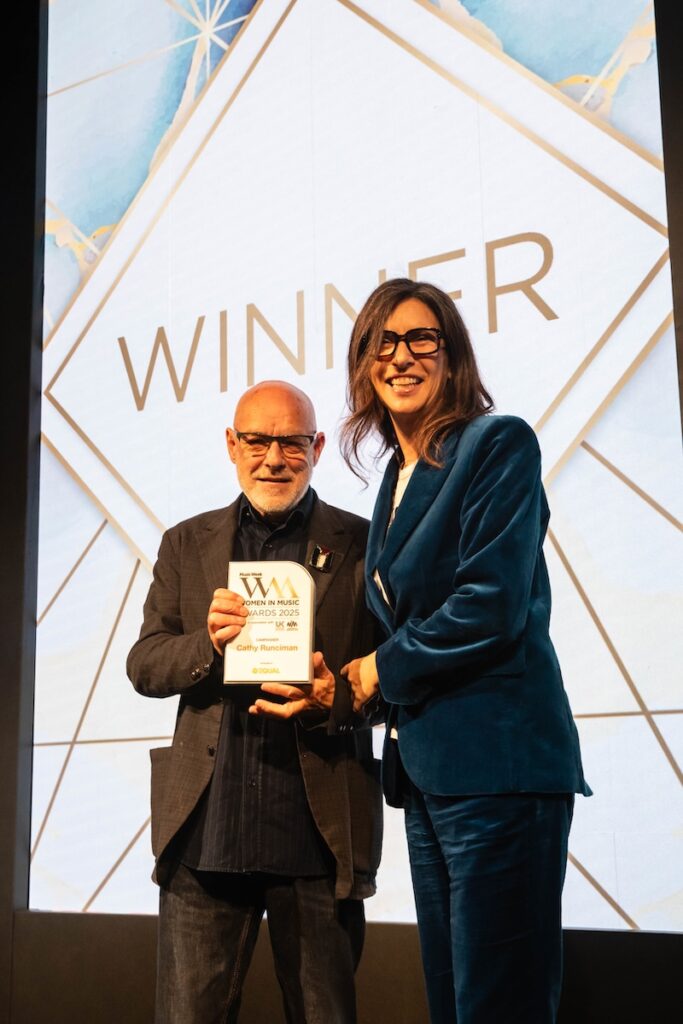
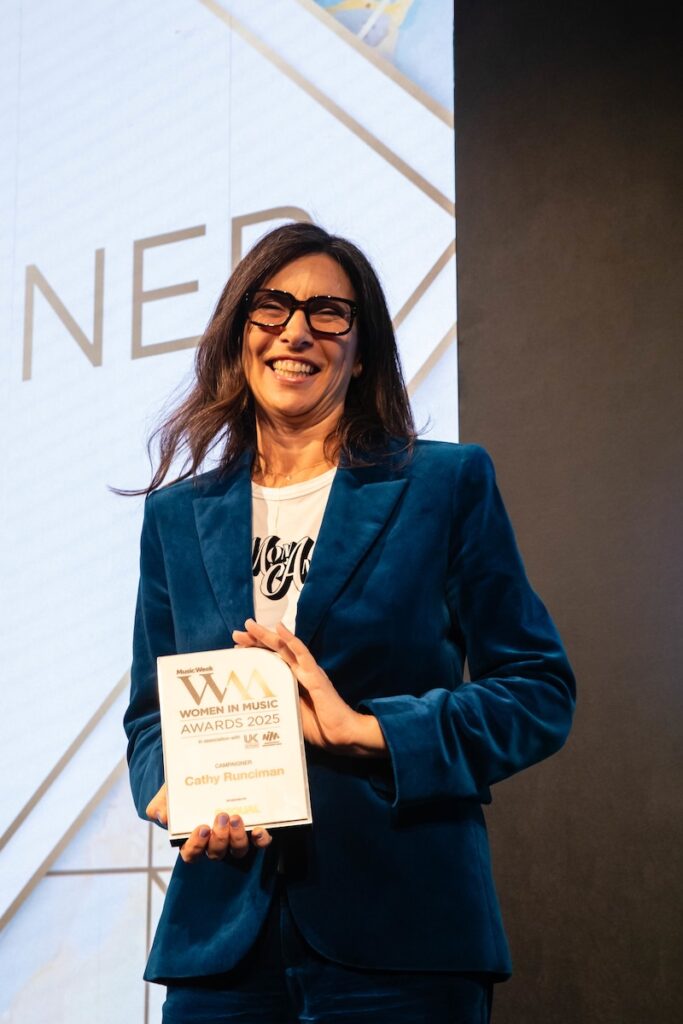
Originally, the founders concentrated on ways to reduce the climate impact of touring, but while EarthPercent was being conceived, the pandemic shut down the live music industry and the organization began to examine the rest of the business, “to consider in what other ways the Earth could be included as a stakeholder,” says Runciman, “and how the considerable resources, assets, and cultural influence of music could be put in service of the planet.”
EarthPercent helps the music community find ways to contribute across five key sources of revenue (live, recording, songwriting/publishing, merchandising, and brand sponsorship). All donations go into the Grant Giving Fund, where their Expert Advisory Panel determines how to distribute funds to address five key action areas—greening the music industry, just energy transition, climate justice, legal and policy change, and protecting nature. So far, more than 400 artists have supported the program.

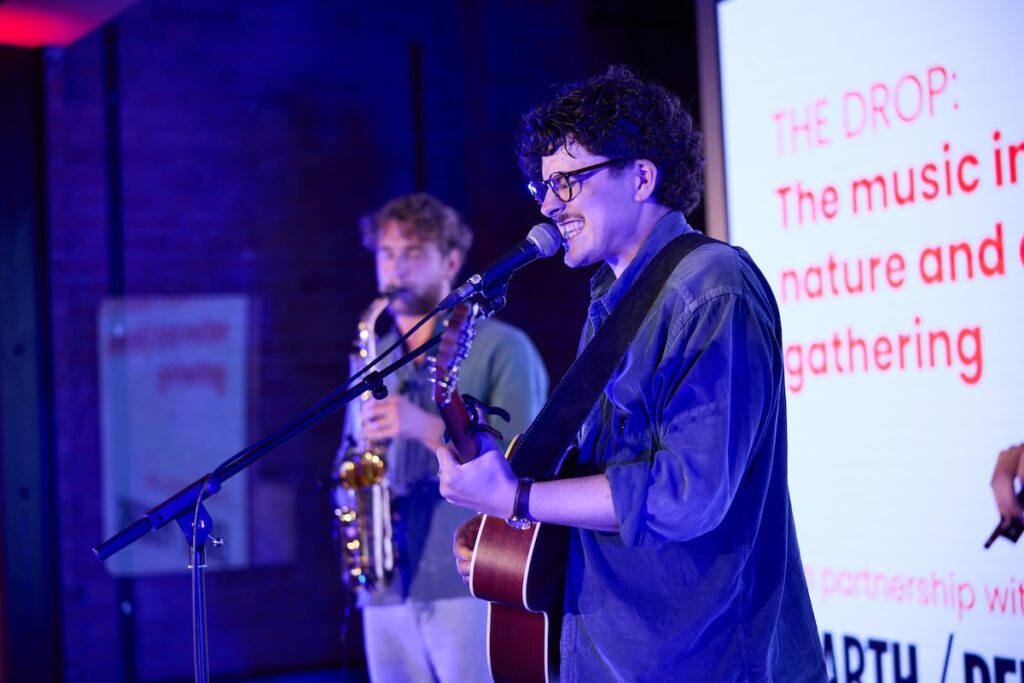
“Artists are hugely trusted communicators in a world of declining trust in almost all institutions,” says Runciman. She cites a recent UK government report stating that “the music sector is central to the government’s climate mission, driving economic growth while utilizing its unique cultural influence to act as a trusted global messenger on the urgency of climate and nature action.”
Another example of EarthPercent innovation is the Sounds Right program, working in partnership with the Museum for the United Nations – UN Live. Sounds Right is a series of collaborations between artists (more than 100 so far, including Hozier, Ellie Goulding, and Bomba Estereo) and recordings of nature. “We’re showing how music can expand nature connectedness,” says Runciman, “while also raising vital funds for Indigenous- and community-led conservation in the world’s most important biodiversity hotspots.”
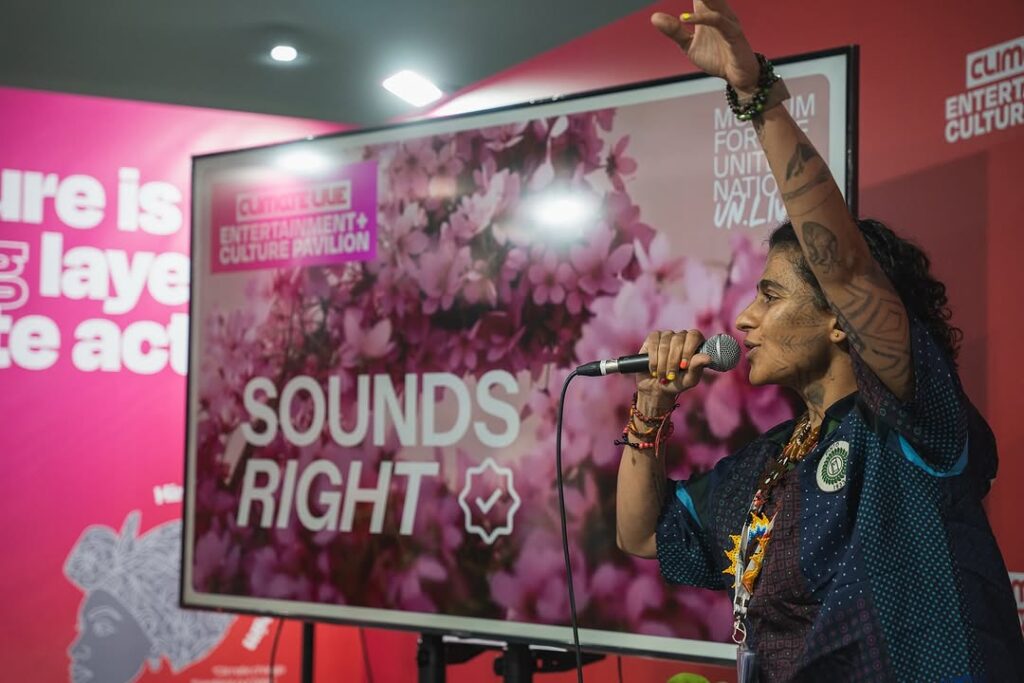
They have also been releasing pure field recordings, which feature on playlists of rain, ocean, or jungle sounds. This initiative is on track to generate $5 million for nature protection and restoration. (In addition, Runciman notes the project’s health benefits: “research shows how effective listening to nature is as a way of calming our nervous systems.”)
In the US, it feels like climate science has largely been sidelined, and it can be hard to know what to do or where to turn for an effective response. Through action, advocacy, and innovation, EarthPercent is finding creative ways for the music community to step up and make a difference.
“We need to be doing everything we can now,” says Runciman. “The situation is critical, and actions today are about saving lives and livelihoods, and protecting nature and resources for future generations.”
Written by Alan Light.
Subscribe to Our Newsletter
Get the lastest news and find out about listening events.