What is the Best Festival Sound System and How Does it Differ from Concert Sound? What is the Best Festival Sound System and How Does it Differ from Concert Sound...
To honestly answer the question that people outside of the live sound industry—and frequently those within it—ask: “What is the best festival sound system?” we’d have to approach the topic as neutrally as possible. However, this is an L-Acoustics platform, so let’s not kid ourselves.
Because we are L-Acoustics, we take unabashed pride in educating others about the science of sound, fueling a passion for shared audio experiences, and exploring how those experiences affect us culturally. It’s important to discuss what truly makes a music festival memorable, beyond the hot acts and beloved artists that grace the stages.
It comes down to three words: Festival sound system.
Physics Doesn’t Wear a Wristband
Security may enforce the fences, but sound waves are the only attendees with a true, inherent all-access pass. What makes festival sound different from a standard concert or a musical? While the loudspeakers may look similar, the stakes are higher. A festival system must satisfy every artist on the bill, regardless of genre, which is why organizers rely on a shortlist of globally accepted brands to meet the strict requirements of diverse technical riders.
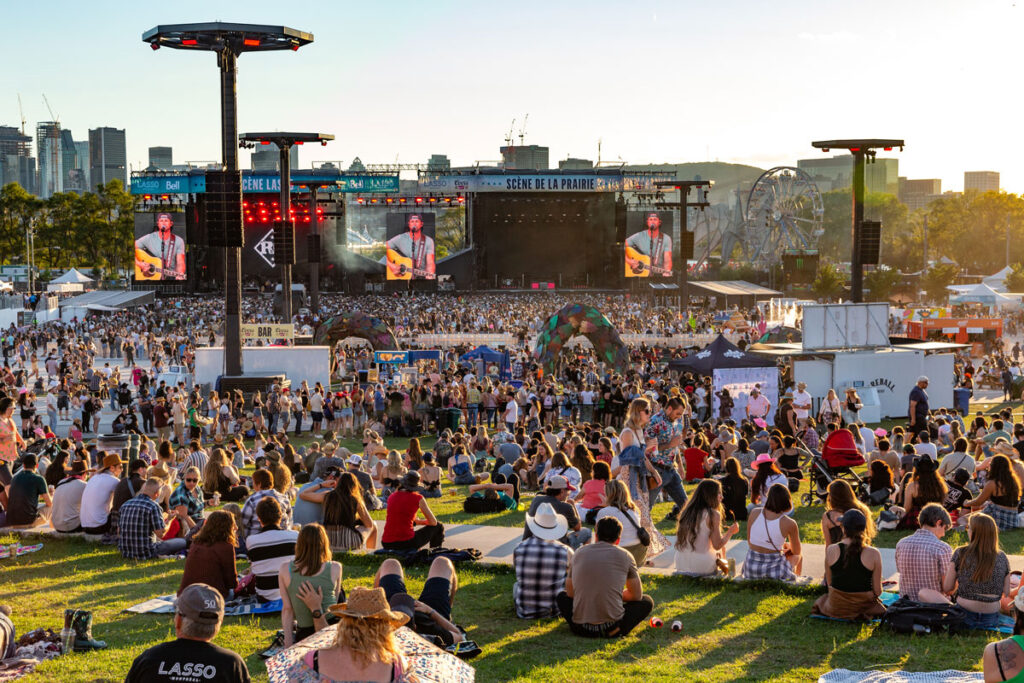
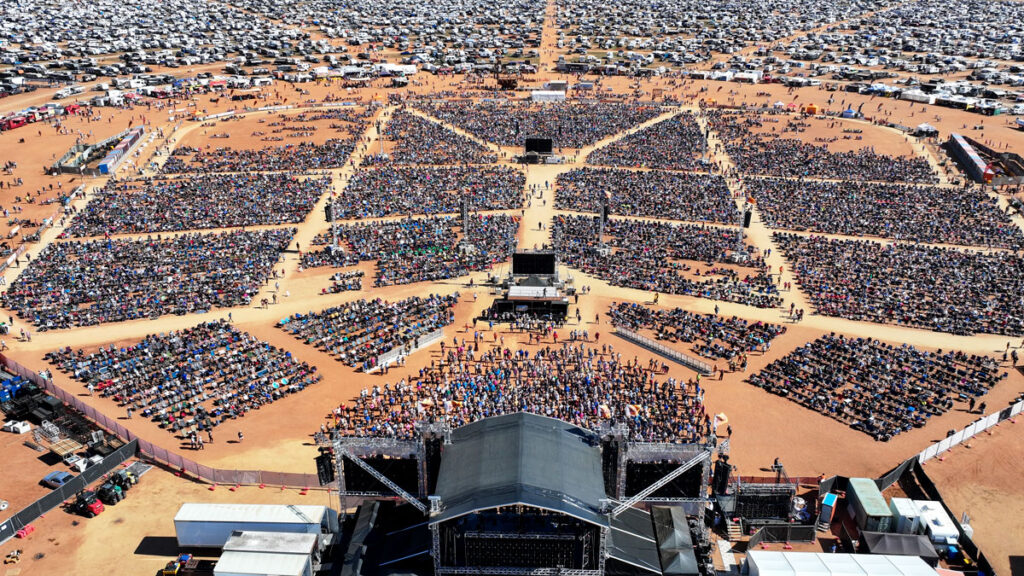
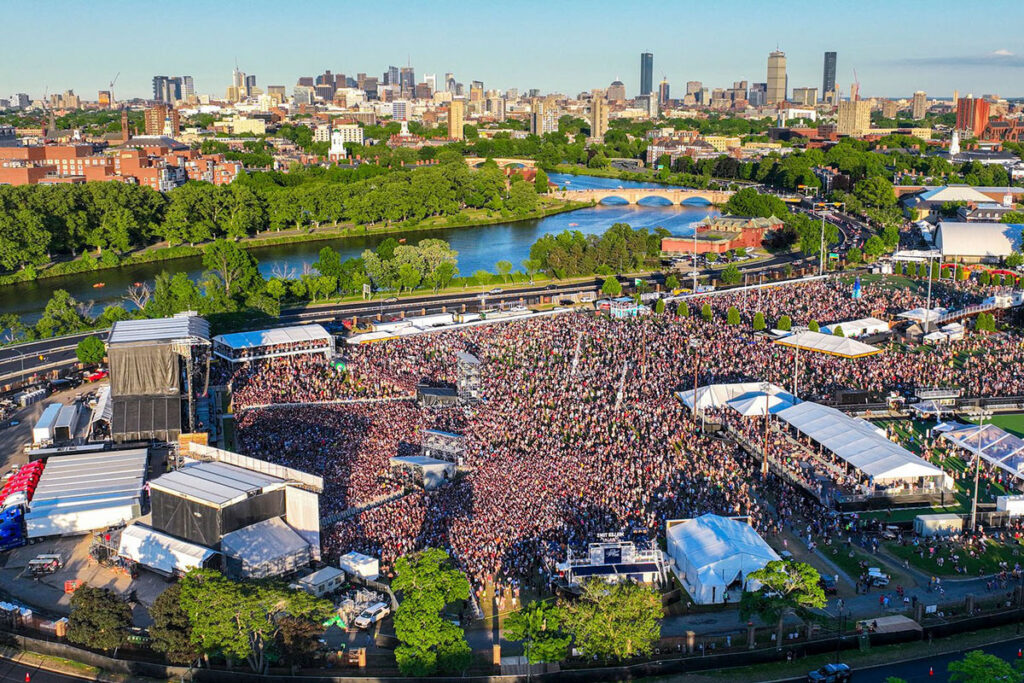
In a standard venue, the sound is localized and contained by four walls. At a festival, you are often managing multiple stages running simultaneously in an open field. Creating high-quality, isolated sonic experiences without physical barriers poses a massive challenge. You are battling physics on a much larger, more unpredictable scale. Think wind, shifting atmospheric conditions, the constant movement of crowds, and the acoustic impact on neighbors in residential or corporate structures miles away. To succeed, we have to design for plausible worst-case scenarios, ensuring the system performs under environmental extremes that would sideline a standard production.
The Line Array: Consistency Across the Field
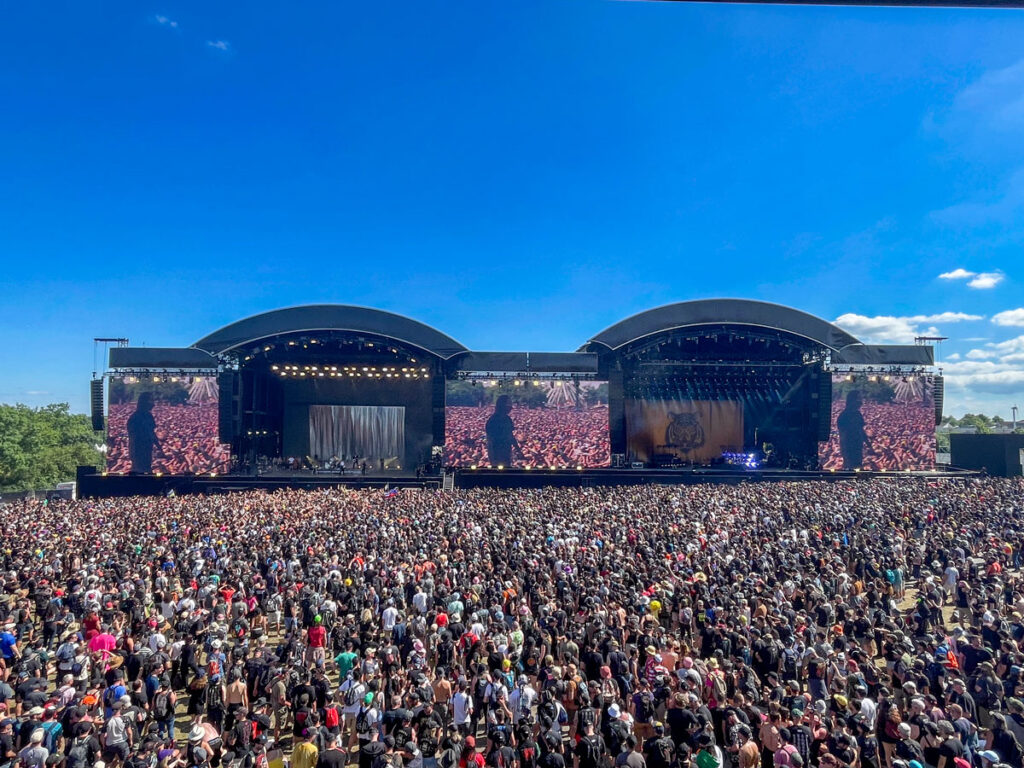
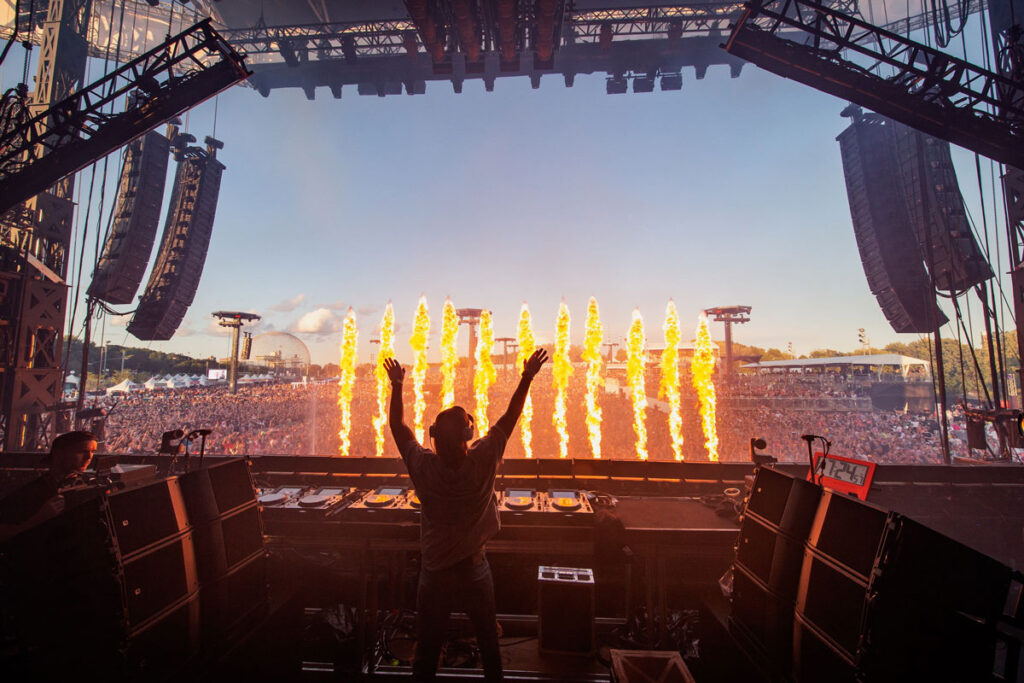
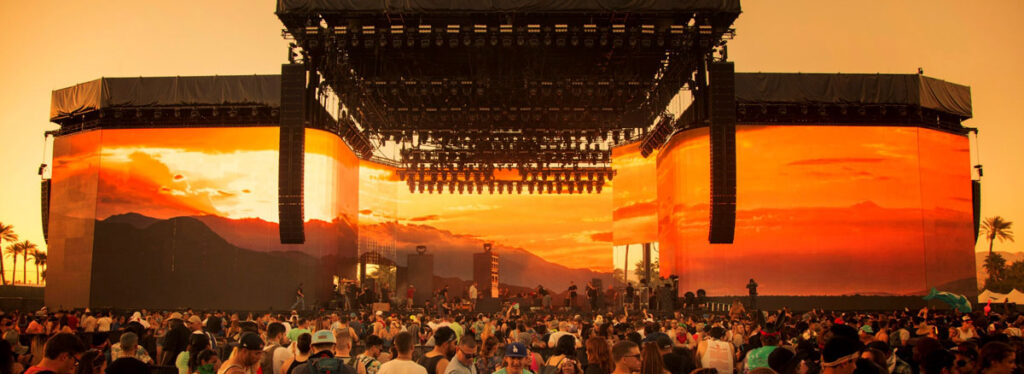
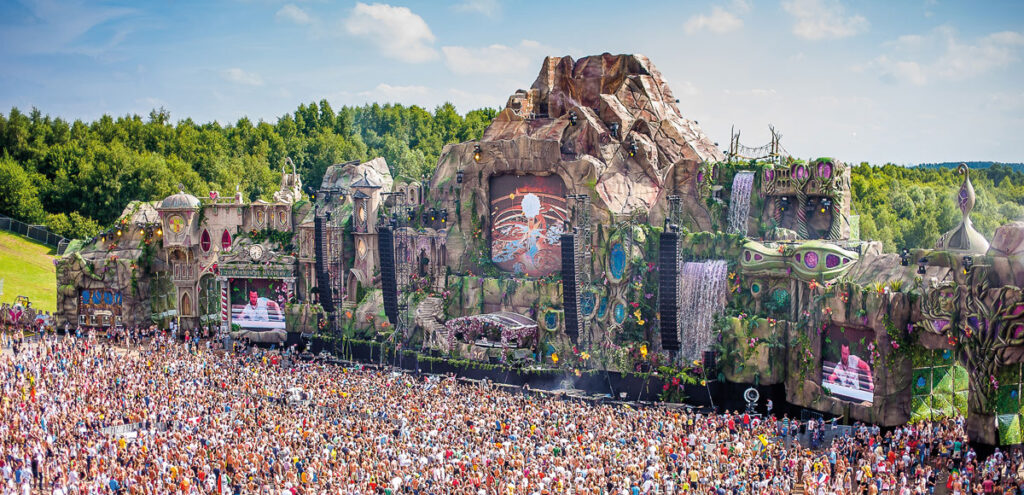
For large-scale festivals, the heavy lifting is done by large-format line arrays. You’ve likely seen them: those towering, parabolic silhouettes—massive shapes that hang from the stage wings like sonic behemoths, beckoning the crowd from across the grounds before the first note even drops.
Our K Series—specifically K1 and K2—is what makes up those sonic behemoths and is a frequent choice for festival sound systems. K1 is often the backbone of a festival main stage because it is engineered to throw sound over massive distances, ensuring that the impact of the kick drum and the clarity of the vocals reach the back of the field.
However, every festival site is different. Some require the horizontal steering of K2 to keep sound away from reflective surfaces like glass-fronted corporate boxes, metal shipping containers, or hard-walled bar tents and food courts. Others utilize hybrid configurations to ensure the front row, the VIP wings, and the far reaches of the field share the same sonic experience.
Sound Design and the “Invisible” Challenges
A concert is more of a closed ecosystem. A festival is a variable one. This is where the science of sound design becomes the champion. And that hero is Soundvision, our 3D simulation software, which engineers use to map the entire festival site long before a single cable is pulled. We calculate how sound will hit the terrain, the bar tents, and the VIP risers.
However, festivals face a challenge concerts rarely do: noise pollution and atmospheric changes. As the sun sets and temperatures drop, sound waves bend. To combat this, we introduced our Environmental System Design (ESD)service. ESD allows organizers to manage sound spill more effectively, ensuring the audience feels the impact of the performance while complying with local noise ordinances.
Navigating the Festival Landscape
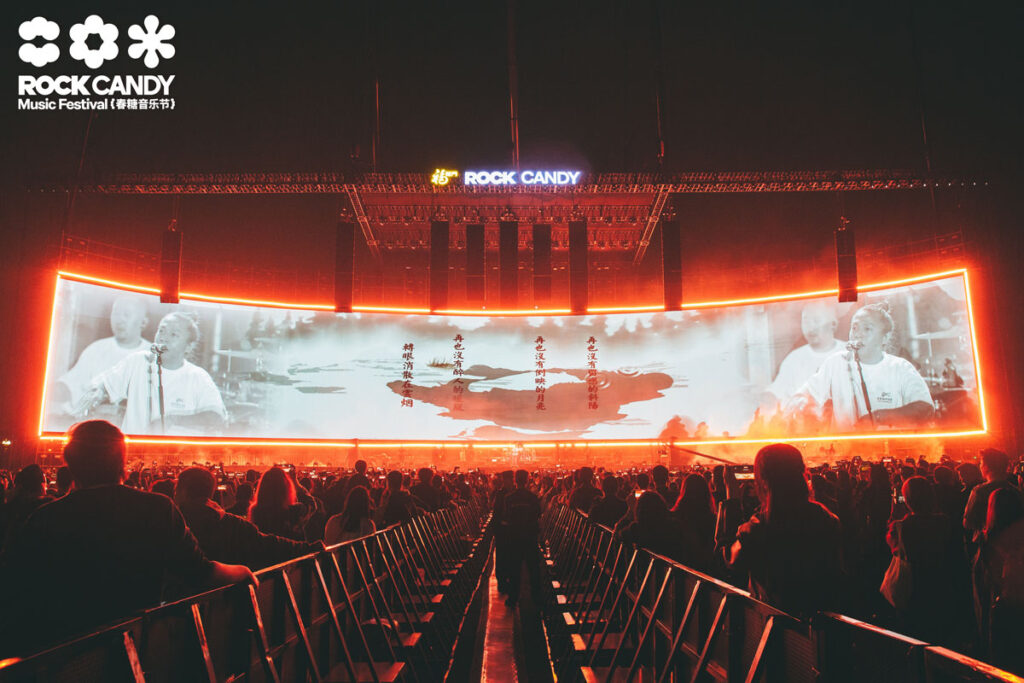
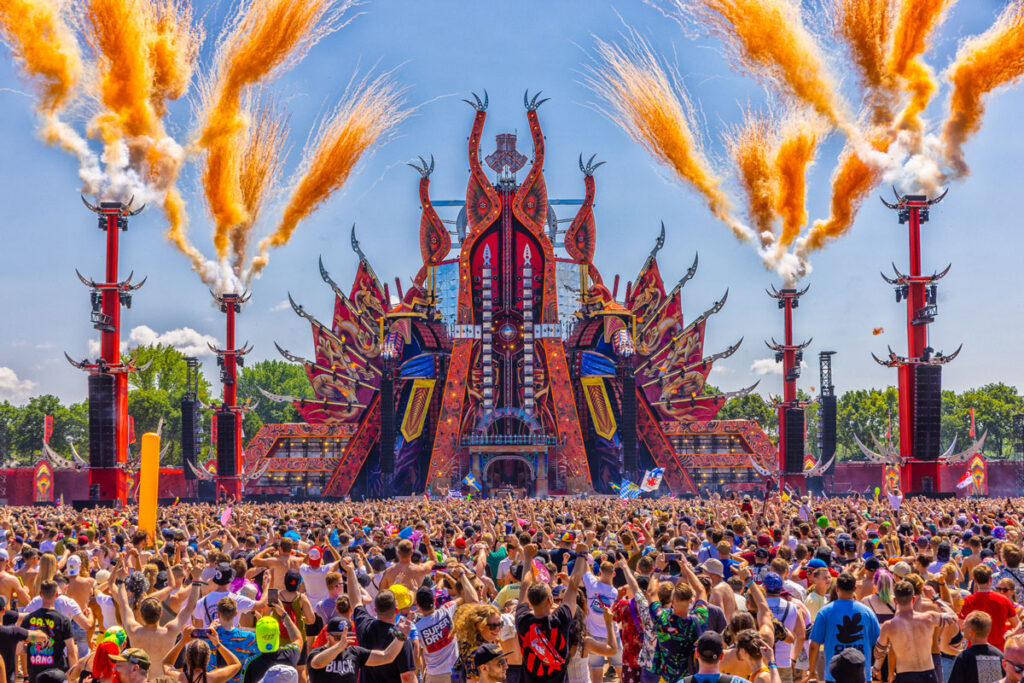
At major events like Coachella or Tomorrowland, you have multiple stages in close proximity. These festivals are massive logistical puzzles that often feature various premier sound brands across different stages. The goal is to avoid a “sonic soup” between stages. At these festivals, our teams use Environmental System Design (ESD) and Soundvision to create precise coverage zones, ensuring that the audio from one stage doesn’t bleed into the next.
The Verdict
So, what is the best festival sound system?
Technically, it’s the one that manages to defy the laws of physics, accounts for wind and temperature, and keeps 80,000 people synchronized in a single acoustic moment. While there are several major players in the market that deliver incredible results, L-Acoustics remains one of the most requested names on technical riders worldwide.
We might be biased, but we believe the proof is in the experience. The next time you’re at a festival at sunset, take a look at those towering arrays. If they have that little gold, square L-Acoustics logo, stay a while and listen. You’ll hear why we do what we do.
Subscribe to Our Newsletter
Get the lastest news and find out about listening events.